 21-22 May 2026
Budapest University of Technology and Economic (BME) Building ’K’ (Day 1), Building ’Q’ (Day 2)
20 May – Young Innovators & Poster Booster (BME Building ’K’)
21-22 May 2026
Budapest University of Technology and Economic (BME) Building ’K’ (Day 1), Building ’Q’ (Day 2)
20 May – Young Innovators & Poster Booster (BME Building ’K’)
Days
Attendees
Speakers
Countries
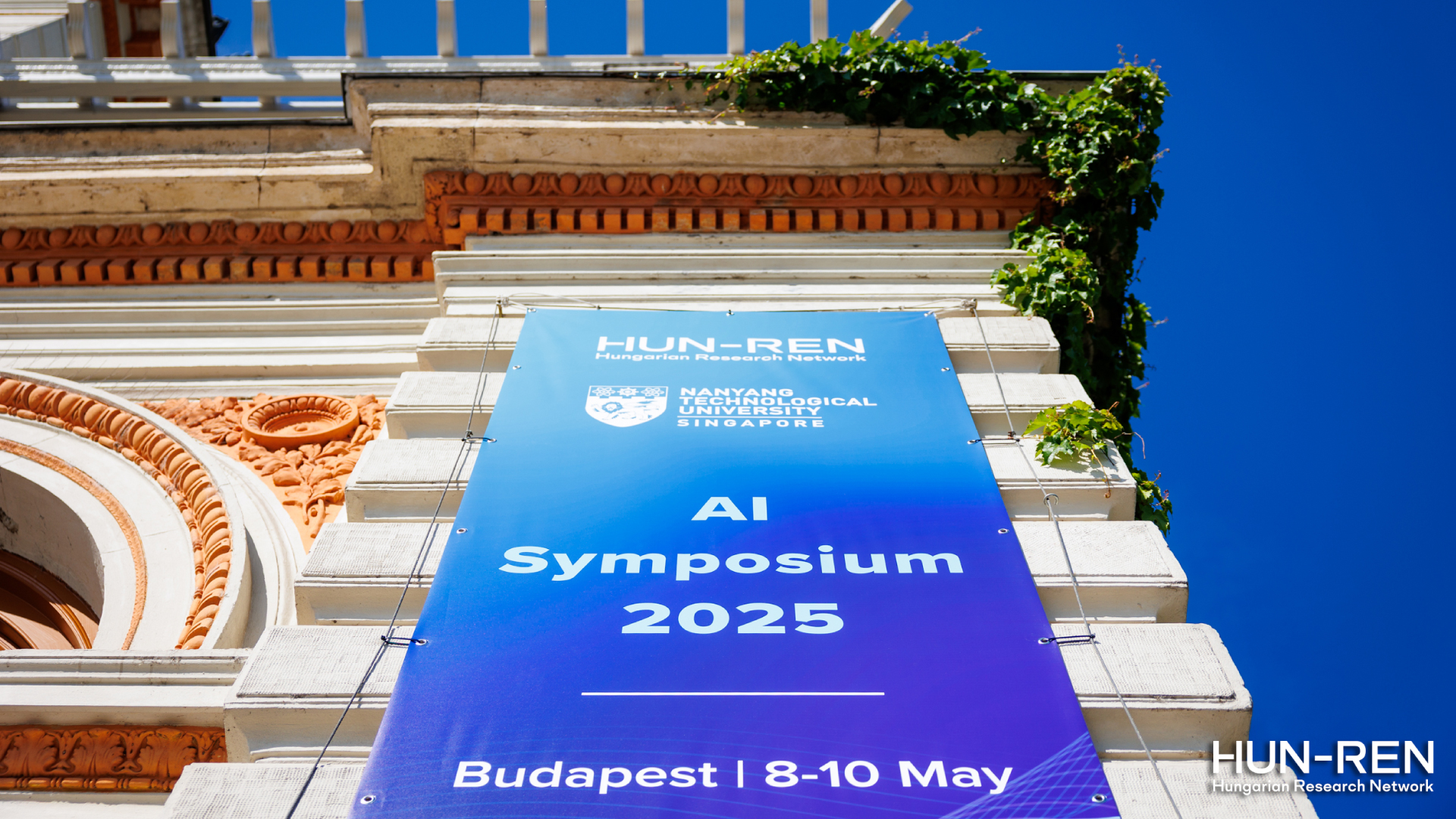
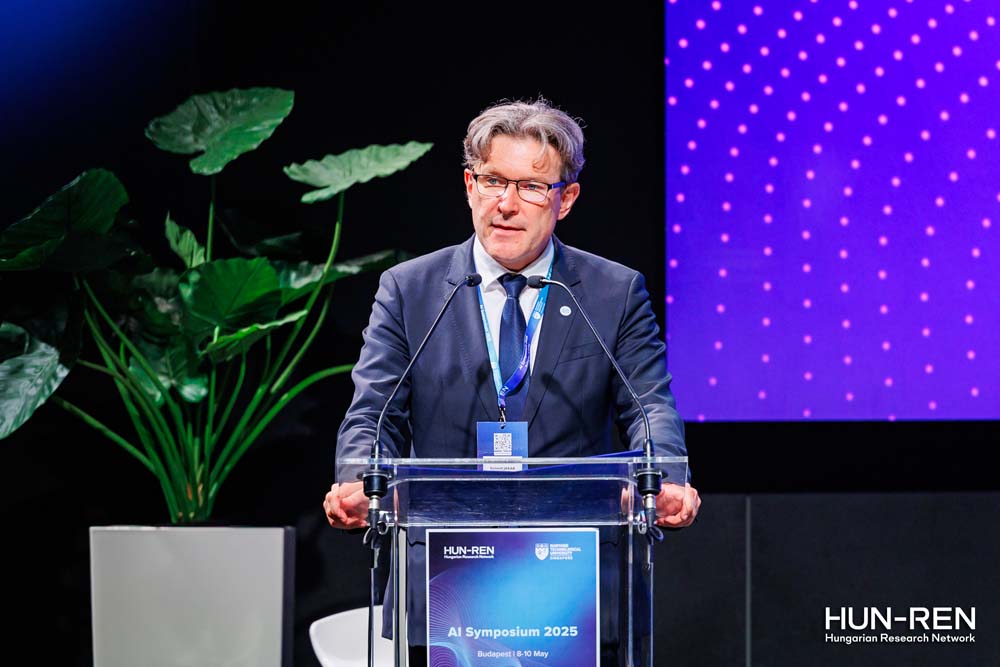
Following the success of last year’s edition, AI Symposium 2026—jointly organized by HUN-REN Hungarian Research Network and Nanyang Technological University—returns to Budapest from May 21–22, 2026. The Symposium will explore the latest AI advancements and their real-world applications. From trustworthy and sustainable machine learning to AI revolutionizing healthcare, quantum computing, and breakthroughs in industry, vision, and robotics—the programme showcases the full spectrum of next-generation AI innovation. Positioned at the intersection of Europe and Asia, the Symposium acts as a catalyst for cross-border collaboration—bringing together world-renowned researchers, industry pioneers, and innovators to accelerate the deployment of AI from lab to market, unlock new partnerships, and shape the future of global technology value chains.
Join us in shaping the future of AI—don’t miss this opportunity to connect with global leaders and innovators!
Day 0 (20 May) opens the Symposium with a dedicated focus on the next generation of innovators—creating a dynamic platform where students and early-career researchers can showcase their ideas through the Poster Booster, engage in curated interactive sessions, and explore international academic and career pathways. Designed to foster talent, exchange, and opportunity, it connects emerging voices to the global AI ecosystem and the networks shaping its future.
Days 1–2 (21–22 May) position the Symposium at the forefront of global AI dialogue, convening over 40 world-renowned experts, leading researchers, and industry pioneers from across continents. Through high-level keynotes, strategic panels, and expert-led sessions, participants will gain first-hand insights into transformative breakthroughs, cross-sector applications, and the evolving role of AI in addressing the world’s most pressing challenges.
Positioned at the intersection of Europe and Asia, the Symposium acts as a catalyst for cross-border collaboration—bringing together research excellence, industry leaders, and innovation ecosystems to accelerate the deployment of AI from lab to market, unlock new partnerships, and shape the future of global technology value chains.
Featured topics
- Transformative breakthroughs, cross-sector applications, and the evolving role of AI
- Trustworthy and sustainable machine learning
- What are the theoretical guarantees for model reliability and what methods ensure robustness against adversarial attacks?
- Interpretability techniques that make AI decisions more transparent
- Can efficient training strategies, low-precision computing, and optimized neural network architectures lower the energy consumption of AI models?
- Improved diagnostics, treatment planning, and patient care – how AI is revolutionizing medicine?
- Surgical robots in complex procedures
- Advancements in medical imaging, personalized medicine and AI-driven drug discover
- Data-driven medical knowledge discovery
- AI-driven automation in manufacturing, logistics and robotics
- The impact of computer vision, autonomous systems and intelligent automation on the automotive sector, healthcare and smart cities
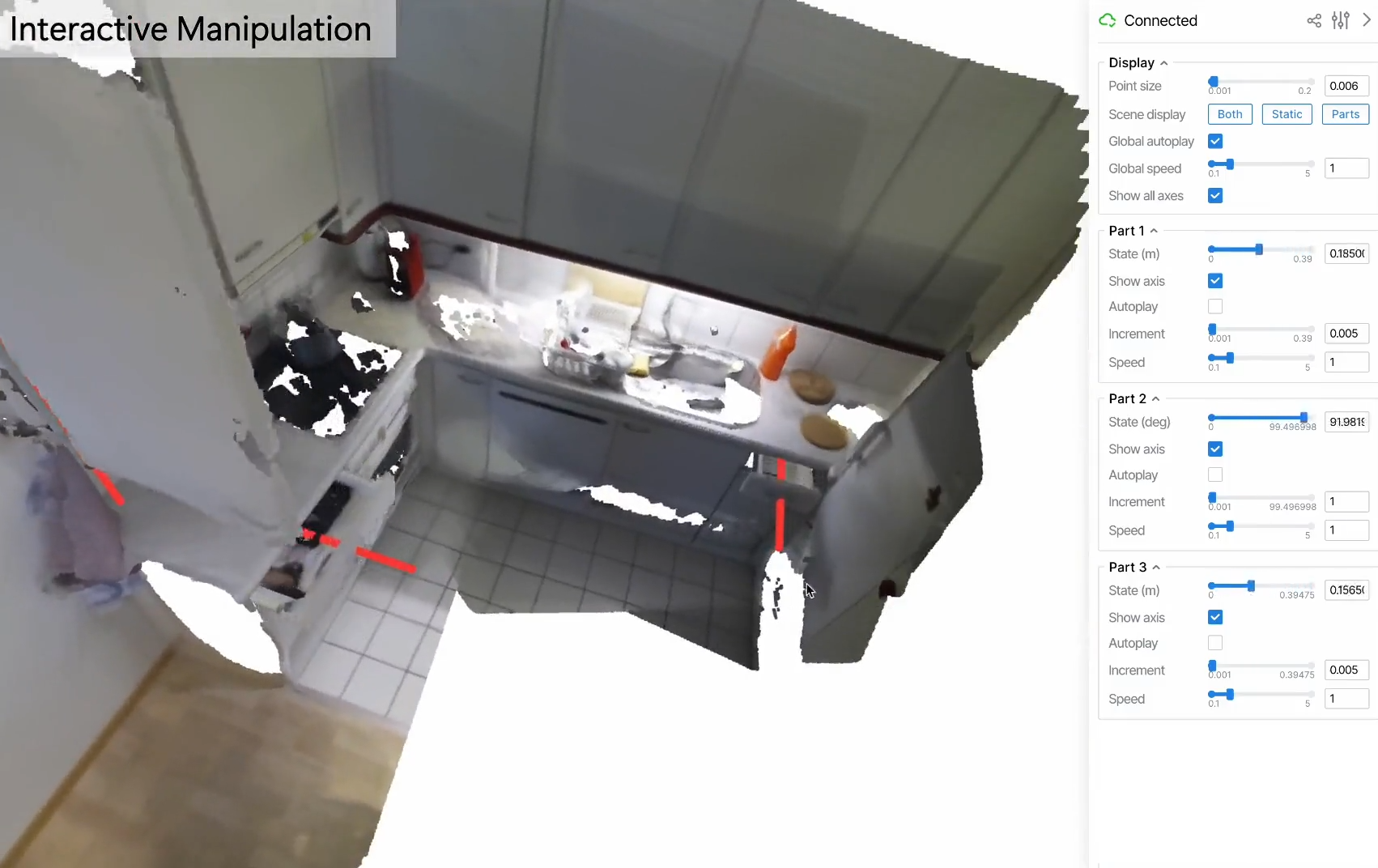
- Advancements in 3D computer vision, object recognition and mapping
- Addressing challenges related to scalability, reliability, and ethical considerations
- Questions of quantum computing in areas such as cryptography, drug discovery, materials science, and artificial intelligence
- Behaviour of interacting quantum systems
- Possibilities of quantum simulation, sensing, and the development of new quantum devices
Featured Speakers







Partners