

Connecting Ecosystems to Shape the Future of Trusted AI
AI Symposium 2026 stands as a global meeting point for researchers, industry leaders, and innovation decision-makers shaping the next era of artificial intelligence. The conference brings together renowned experts from across disciplines and sectors to examine how AI can be developed and deployed in ways that are beneficial to society. Through high-level keynotes, strategic panels, and expert-led sessions, participants will gain first-hand insights into transformative breakthroughs, cross-sector applications, and the evolving role of AI in addressing the world’s most pressing challenges.
The programme will address frontier domains, spanning trustworthy and sustainable AI, AI-driven biomedical and clinical applications, quantum computing, and next-generation machine vision, robotics, and intelligent systems. The aim is to shape a collective vision for the responsible and impactful future of AI.
Day 0 (20 May) opens the Symposium with a dedicated focus on the next generation of innovators—creating a dynamic platform where students and early-career researchers can showcase their ideas through the Poster Booster, engage in curated interactive sessions, and explore international academic and career pathways. Designed to foster talent, exchange, and opportunity, it connects emerging voices to the global AI ecosystem and the networks shaping its future.
Days 1–2 (21–22 May) position the Symposium at the forefront of global AI dialogue, convening over 40 world-renowned experts, leading researchers, and industry pioneers from across continents. Through high-level keynotes, strategic panels, and expert-led sessions, participants will gain first-hand insights into transformative breakthroughs, cross-sector applications, and the evolving role of AI in addressing the world’s most pressing challenges.
Positioned at the intersection of Europe and Asia, the Symposium acts as a catalyst for cross-border collaboration—bringing together research excellence, industry leaders, and innovation ecosystems to accelerate the deployment of AI from lab to market, unlock new partnerships, and shape the future of global technology value chains.
Main Themes and Highlighted Speakers
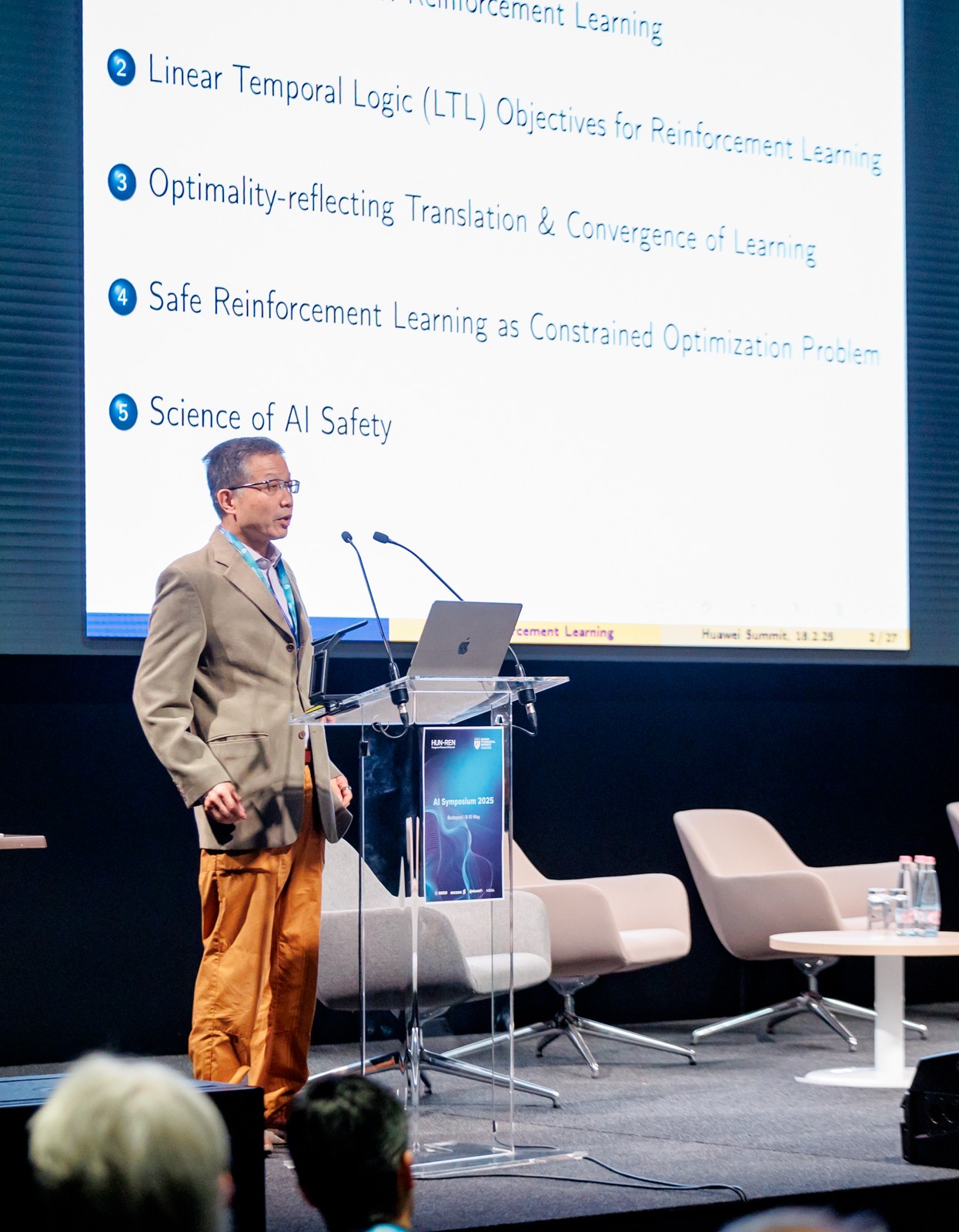
Trustworthy and Sustainable Machine Learning
The discussions will focus on how to enhance the theoretical reliability of AI models, elucidate the reasoning underlying AI-driven decisions, and strengthen these systems against adversarial threats. Sustainability will be an equally central theme: participants will explore how more efficient algorithms can reduce the energy footprint of AI through optimized training methods, lower-precision computation, and improved neural network architectures. Drawing on principles from information theory, the research community is working toward AI systems that are more interpretable, more robust, and significantly less resource-intensive. The session will bring together leading researchers to present the latest advances at the intersection of accuracy, efficiency, and responsible machine learning.
Featured Speakers:







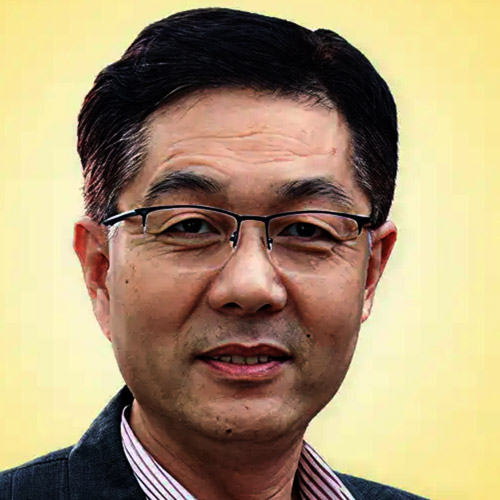
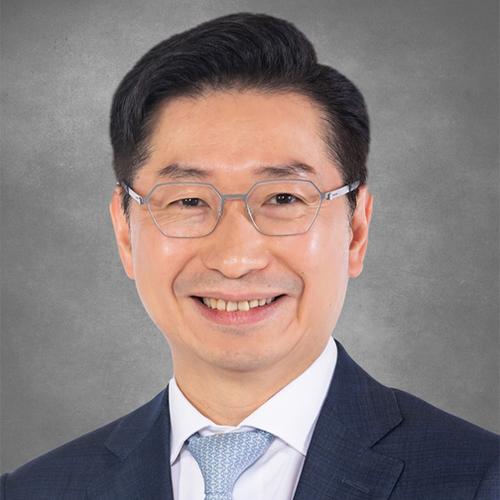
AI in Medicine and Healthcare
Artificial intelligence and robotics are transforming medicine by enhancing the speed, accuracy, and efficiency of healthcare delivery. AI is reshaping the field through advances in diagnostics, treatment planning, and patient care, while surgical robotics enables clinicians to perform complex procedures with greater precision. This session will explore recent developments in medical imaging, personalized medicine, and AI-driven drug discovery, as well as the role of robotics in surgery and emerging endoscopic technologies and procedures. Particular emphasis will be placed on data-driven medical knowledge discovery, the application of AI in cognitive and systems neuroscience, and the integration of robotics in clinical practice.
Featured Speakers:
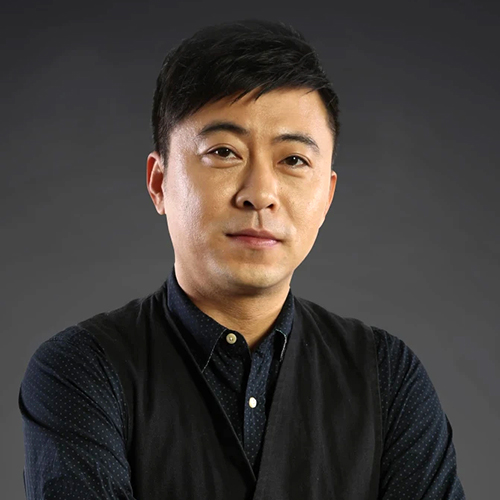



Industry, Vision and Robotics
Automation powered by artificial intelligence is transforming industrial operations by bringing new levels of efficiency, precision, and flexibility to manufacturing, logistics, and robotics. This session will review recent advances in computer vision, autonomous systems, and intelligent automation, and examine their impact across sectors such as automotive, healthcare, and smart city infrastructure. Key topics will include advances in 3D computer vision, deep learning, object recognition, and spatial mapping for drones and autonomous vehicles. In parallel with these technological developments, the session will also address the practical challenges of scaling such solutions, ensuring their reliability, and deploying them in an ethically responsible manner.
Featured Speakers:




Quantum Computing
Throughout the event, key questions in quantum computing will be addressed in areas such as cryptography, drug discovery, materials science, and artificial intelligence. Topics including multipartite quantum entanglement and quantum synchronization will provide insight into the behaviour of interacting quantum systems, while future applications of quantum cryptography will also be examined. In addition, recent advances in quantum atomtronics will inform discussions on quantum simulation, sensing, and the development of novel quantum devices.