"Machines Are Finally Learning to See, Not Just to Look" – AI Symposium 2026 Opens with a Stunning Vision of the Future
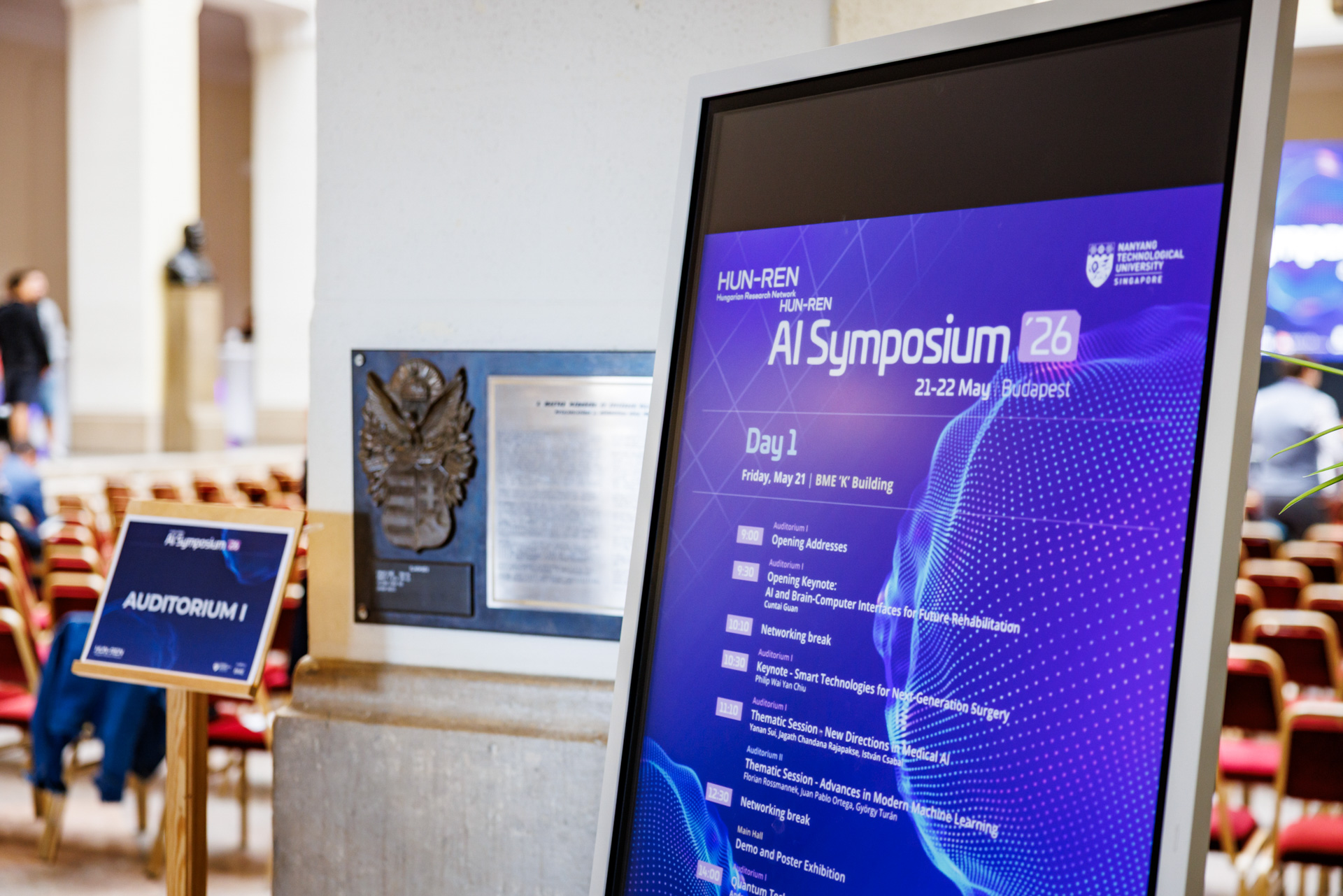
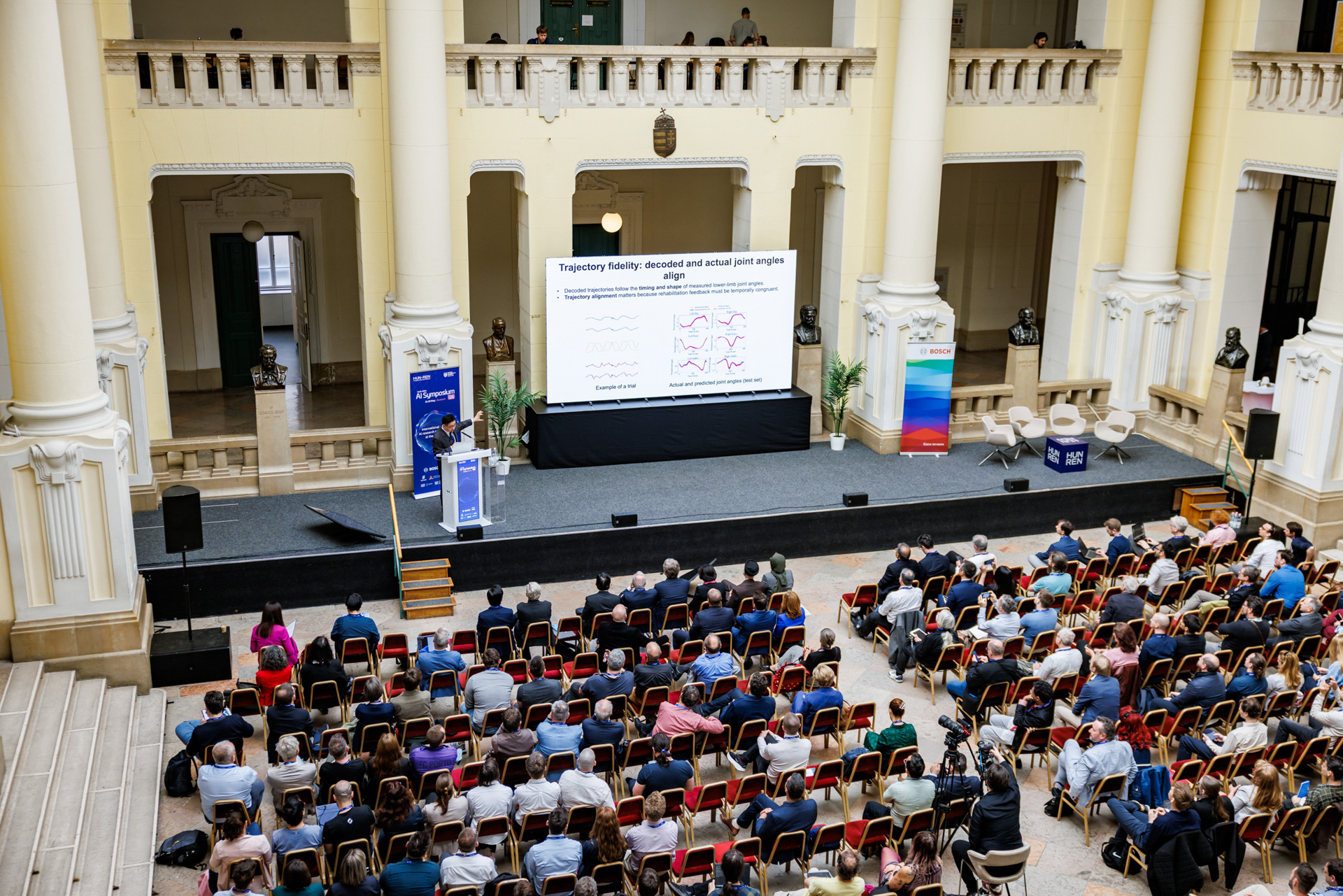
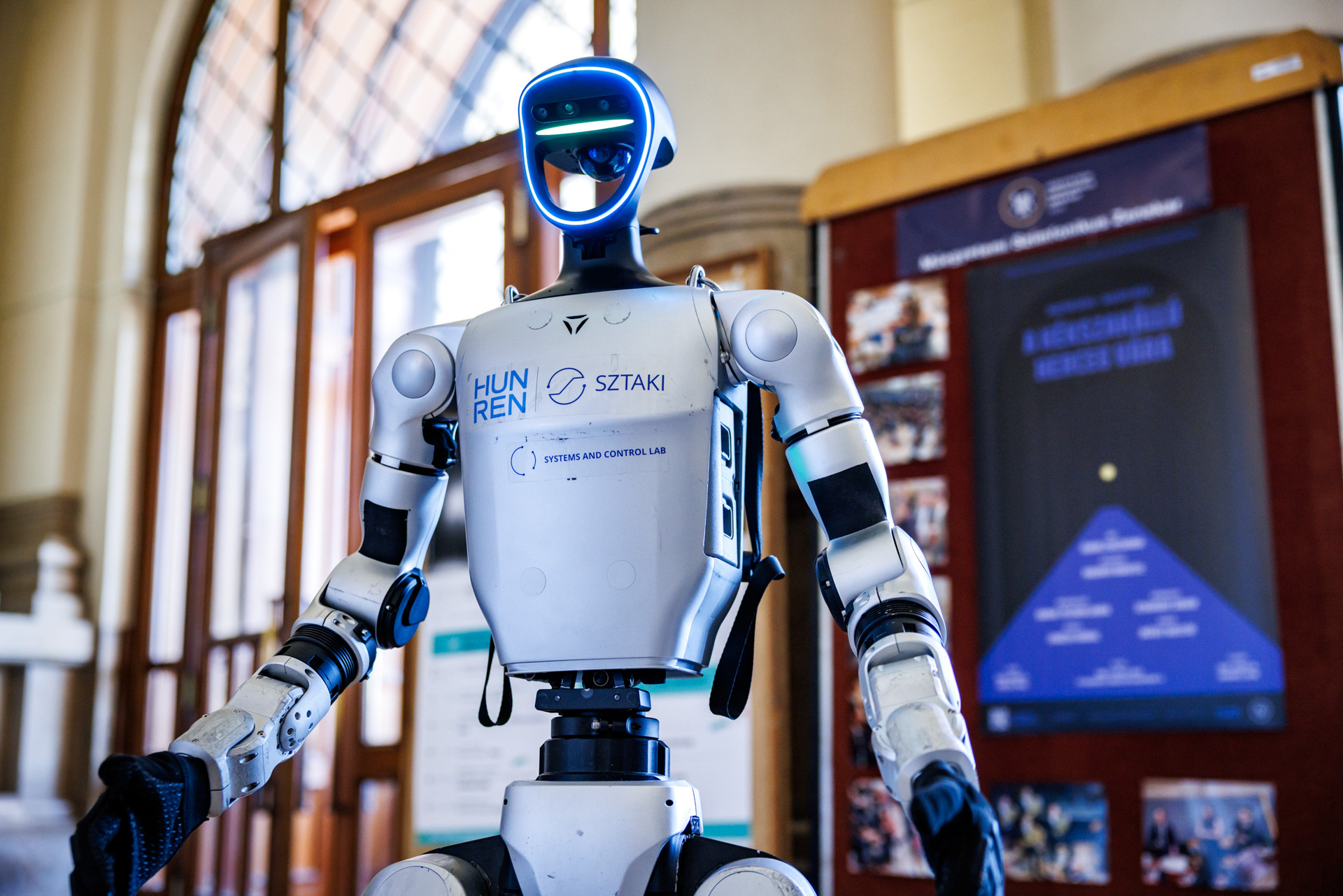
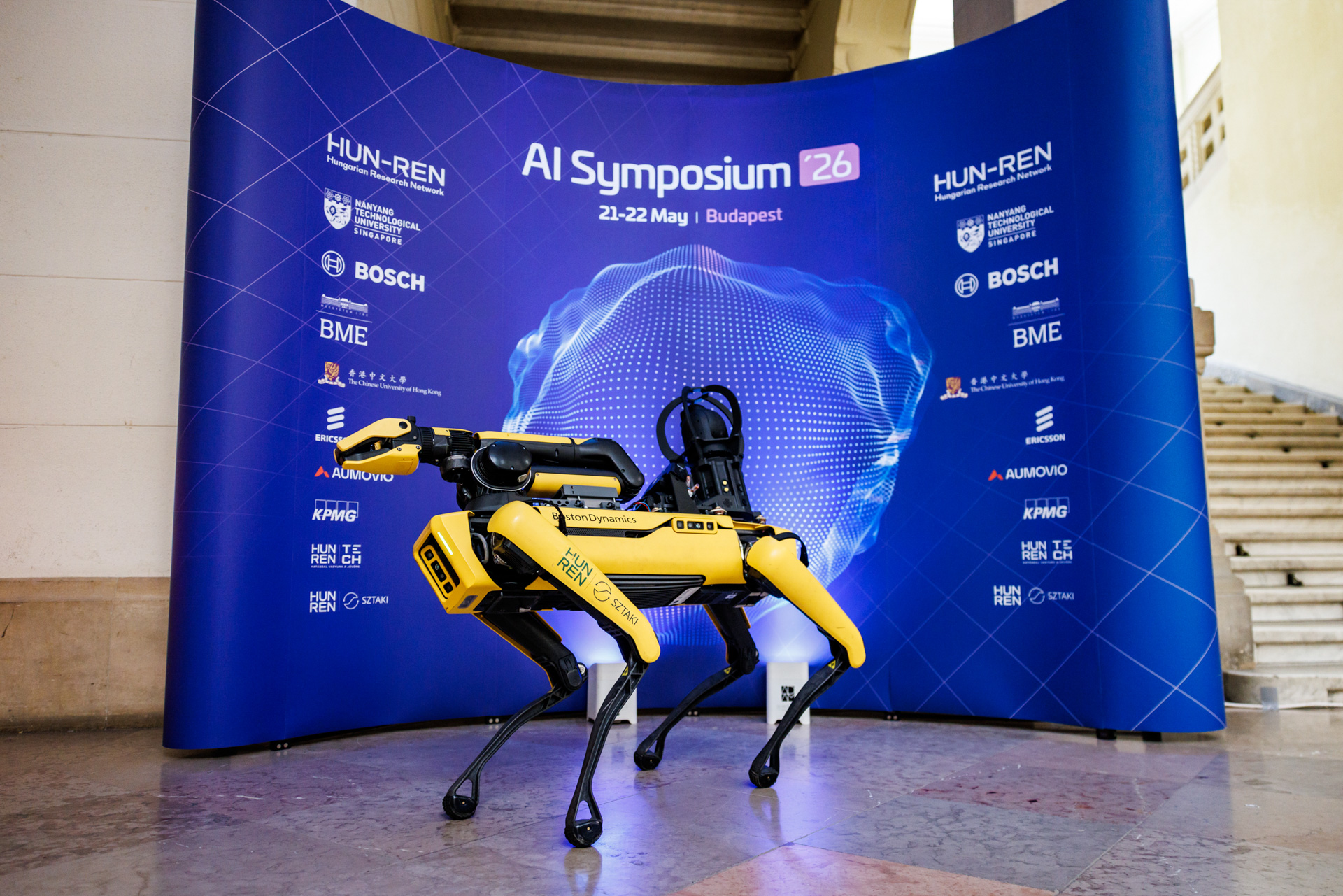
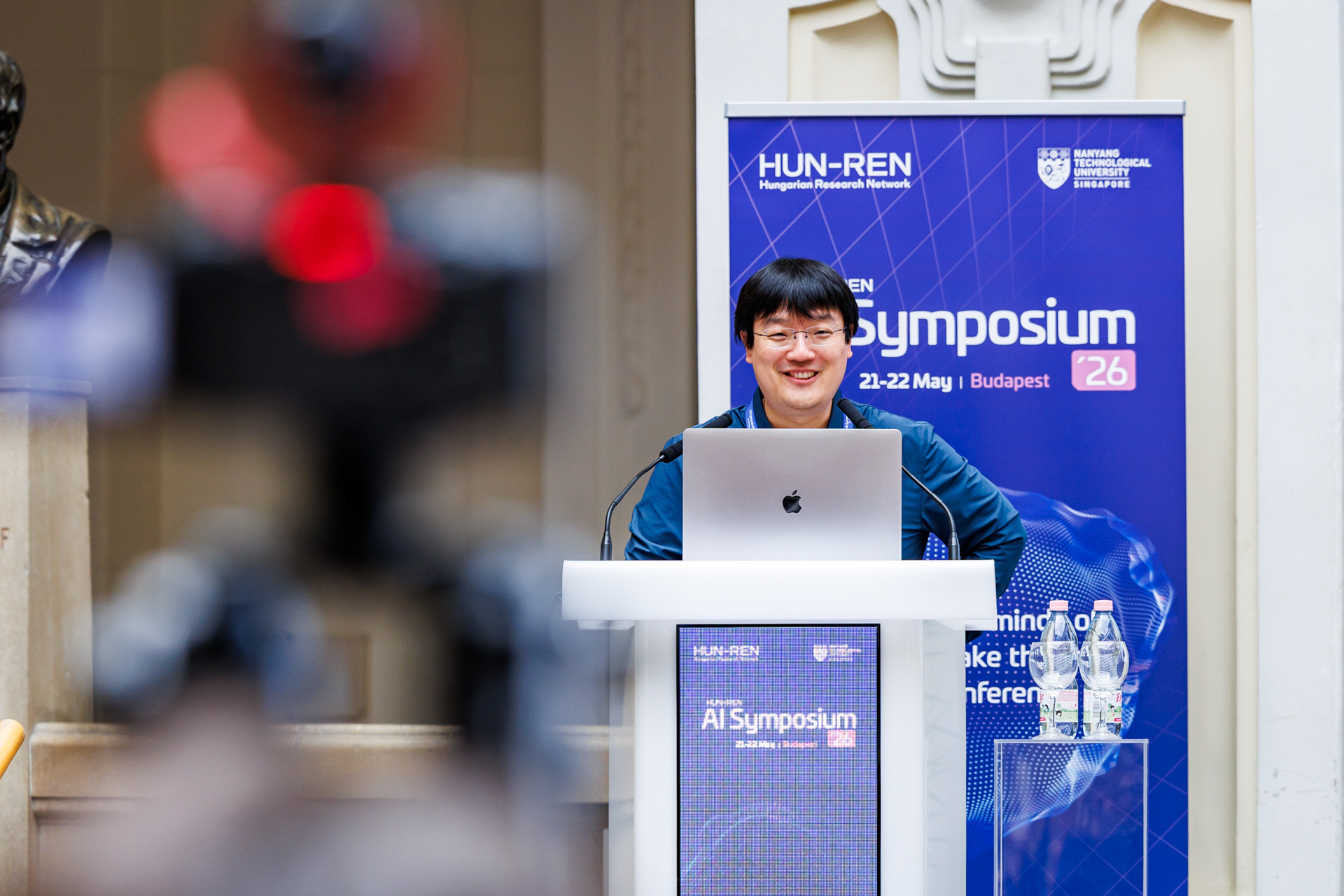
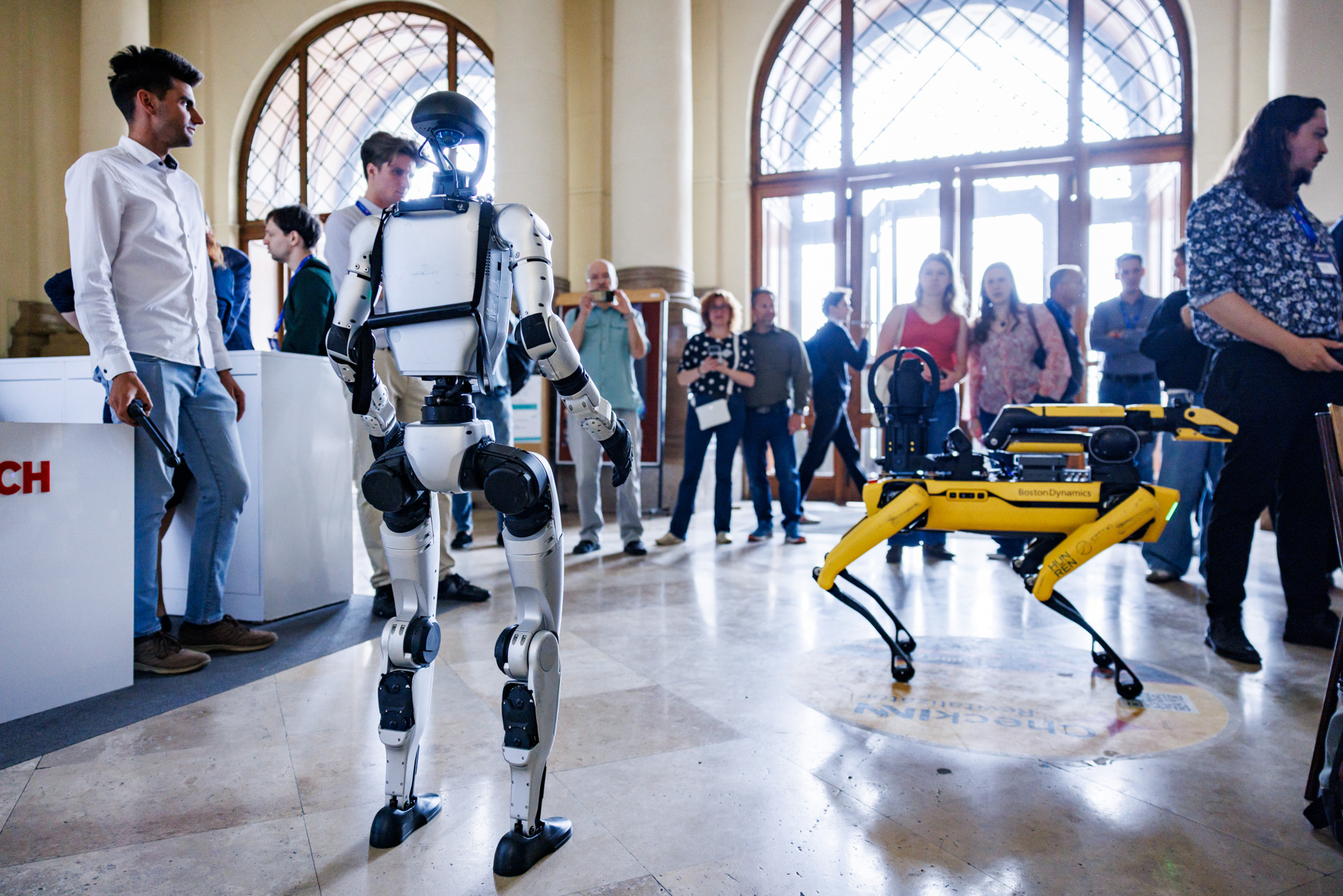
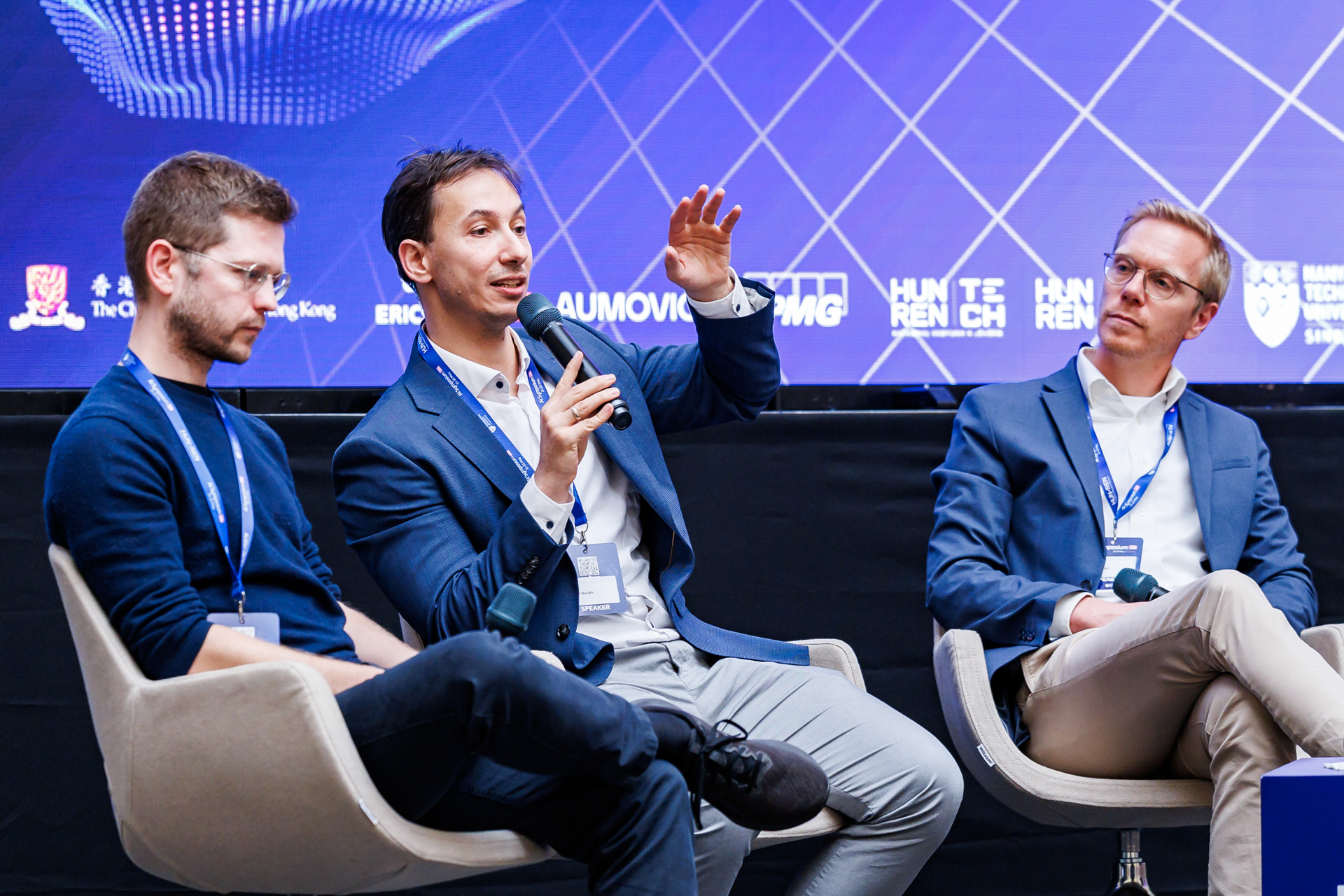
If the first day brought such breakthroughs, what might follow? Marc Pollefeys, one of the world's most distinguished experts in computer vision and augmented reality (AR), Professor at ETH Zurich and Director of Microsoft's Zurich Spatial AI Lab, delivered an exclusive lecture in Budapest at the AI Symposium 2026, jointly organised by the HUN-REN Hungarian Research Network and Nanyang Technological University (NTU) Singapore. Researchers from ETH Zurich, Bosch, and the Swiss university USI demonstrated how artificial intelligence is crossing from the digital realm into physical reality, and how machine vision is transforming robotics, autonomous vehicles, and our everyday perception of space. The latest international research presented at the symposium made one thing clear: for artificial intelligence to truly understand the world around us, it must first be able to model the most complex biological system of all — the human being, human movement, and the human brain.

Some human activities and abilities seem entirely natural — walking, for instance, or recognising objects and determining their position in space. We only realise how complex they truly are when we attempt to model or simulate them artificially.

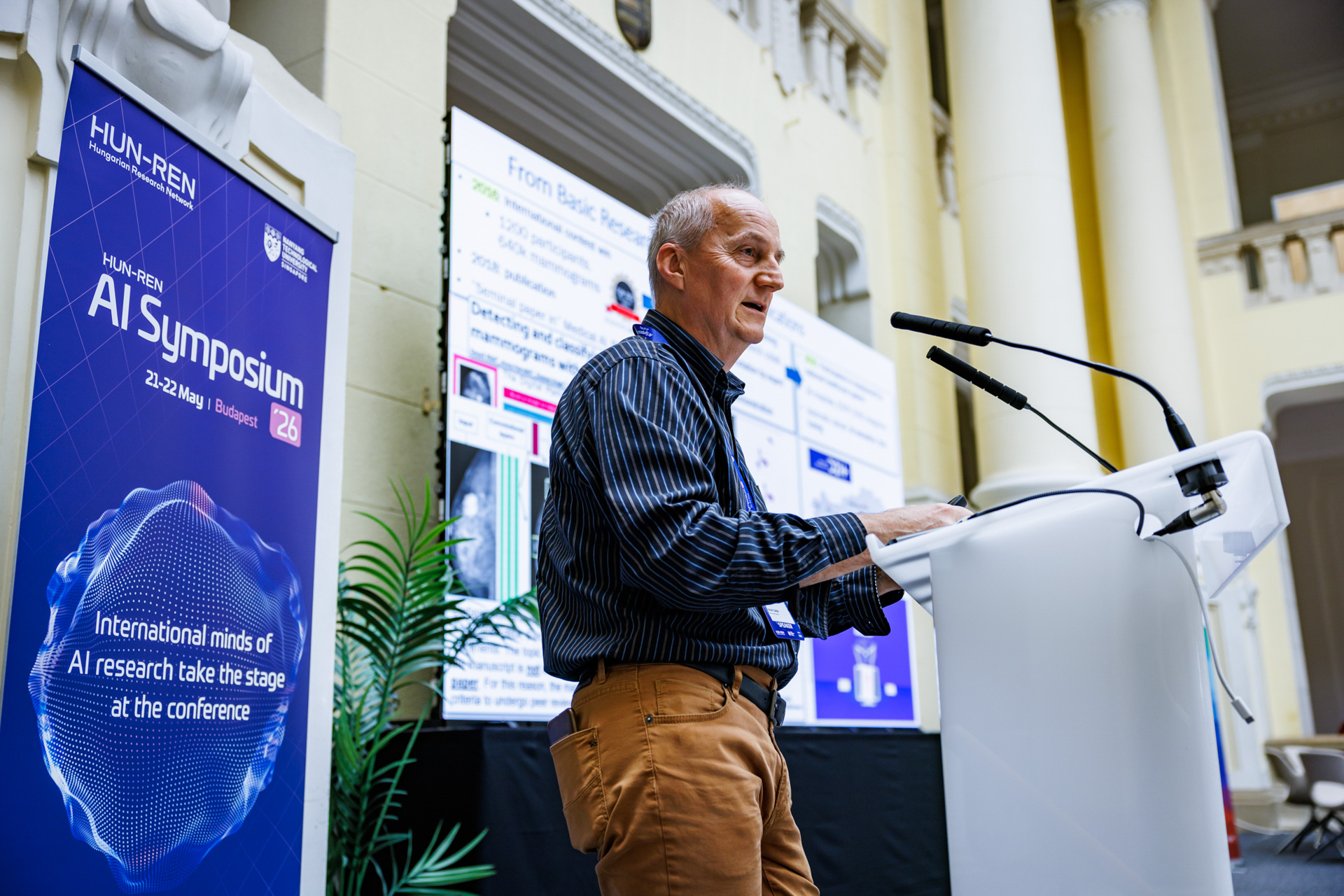
This is precisely the challenge that Guan Cuntai, Associate Dean of NTU's College of Computing and Data Science (CCDS), has confronted. One of the world's leading researchers in brain-computer interfaces (BCI), he studies the neural processes that occur during walking. His team began by collecting neural signals from healthy patients until they could establish a reliable correlation between the physical act of walking and the corresponding neural signals. A further series of experiments revealed that the same neural signals are present when a patient paralysed due to a spinal injury attempts to walk — only the signals deviate from the normal pattern. These deviations and their changes over time can provide valuable data for designing therapies or neural stimulation implants.

Yanan Sui, Associate Professor at Tsinghua University, and her research group encountered the challenges of movement in a different form, when they set out to create a controllable human model. Lifelike human models already exist — one need only look at any video game — but their movement is shaped at the animator's will, bearing no relation to physics or human anatomy. The MS-Human-700 model they developed, however, faithfully replicates the anatomy of the human musculoskeletal system, which comprises 700 muscle-tendon units — hence the model's name. The freely available model is trained using reinforcement learning and, while its movements are still often clumsy, results are steadily improving.

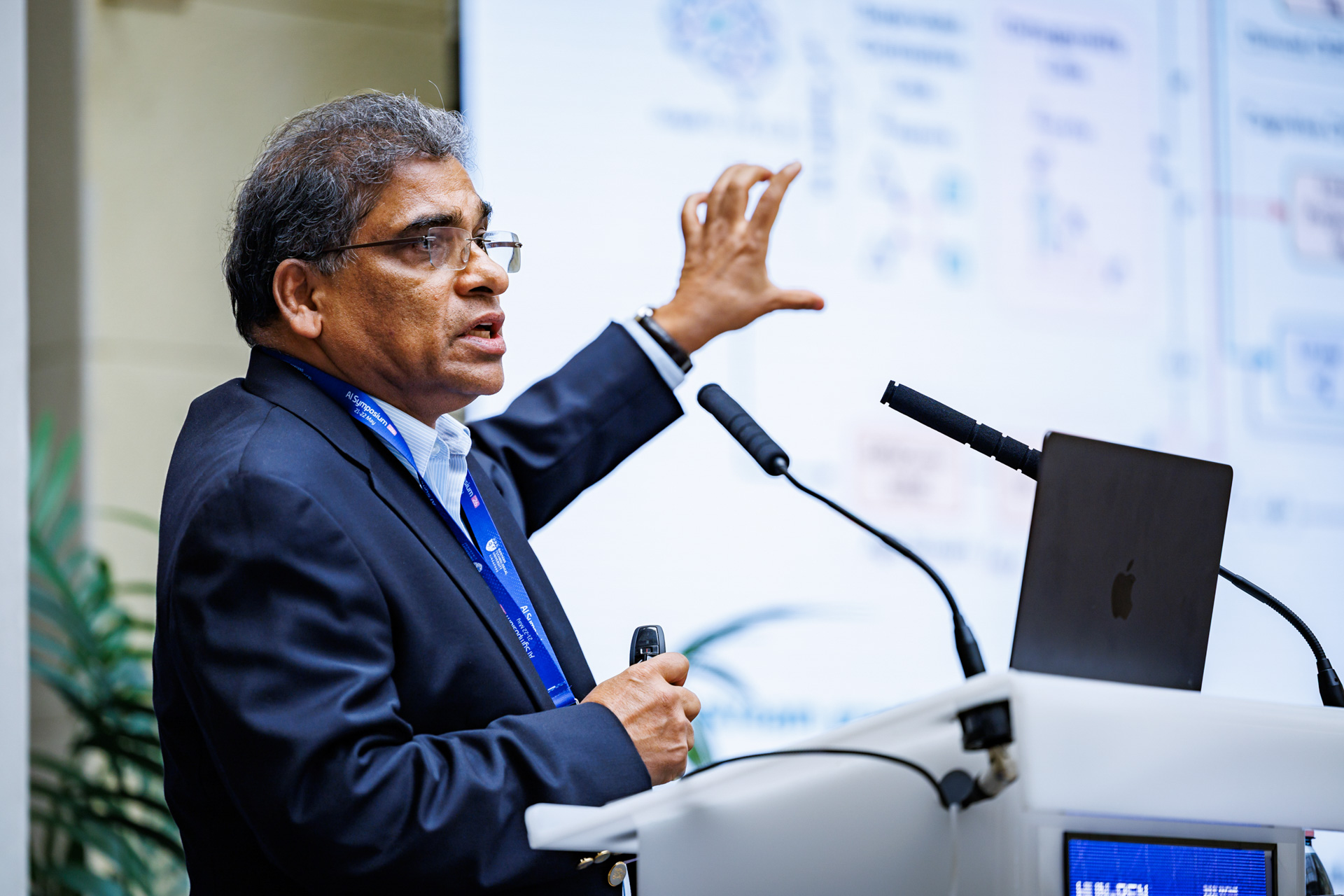
Artificial intelligence is also playing an increasingly significant role in brain research more broadly. Jagath Chandana Rajapakse and Yiping Ke — both researchers at NTU working independently — spoke about the growing importance of mapping the full complexity of brain connectivity, known as the connectome. A particular challenge in this work is distinguishing changes caused by ageing from those caused by disease, such as schizophrenia or Parkinson's. According to Yiping Ke, one important direction would be for new AI models to map not only existing brain connections, but also missing or weak ones. There is also a need to move beyond modality-specific, area-focused models towards a unified brain foundation model capable of advanced predictive capabilities.
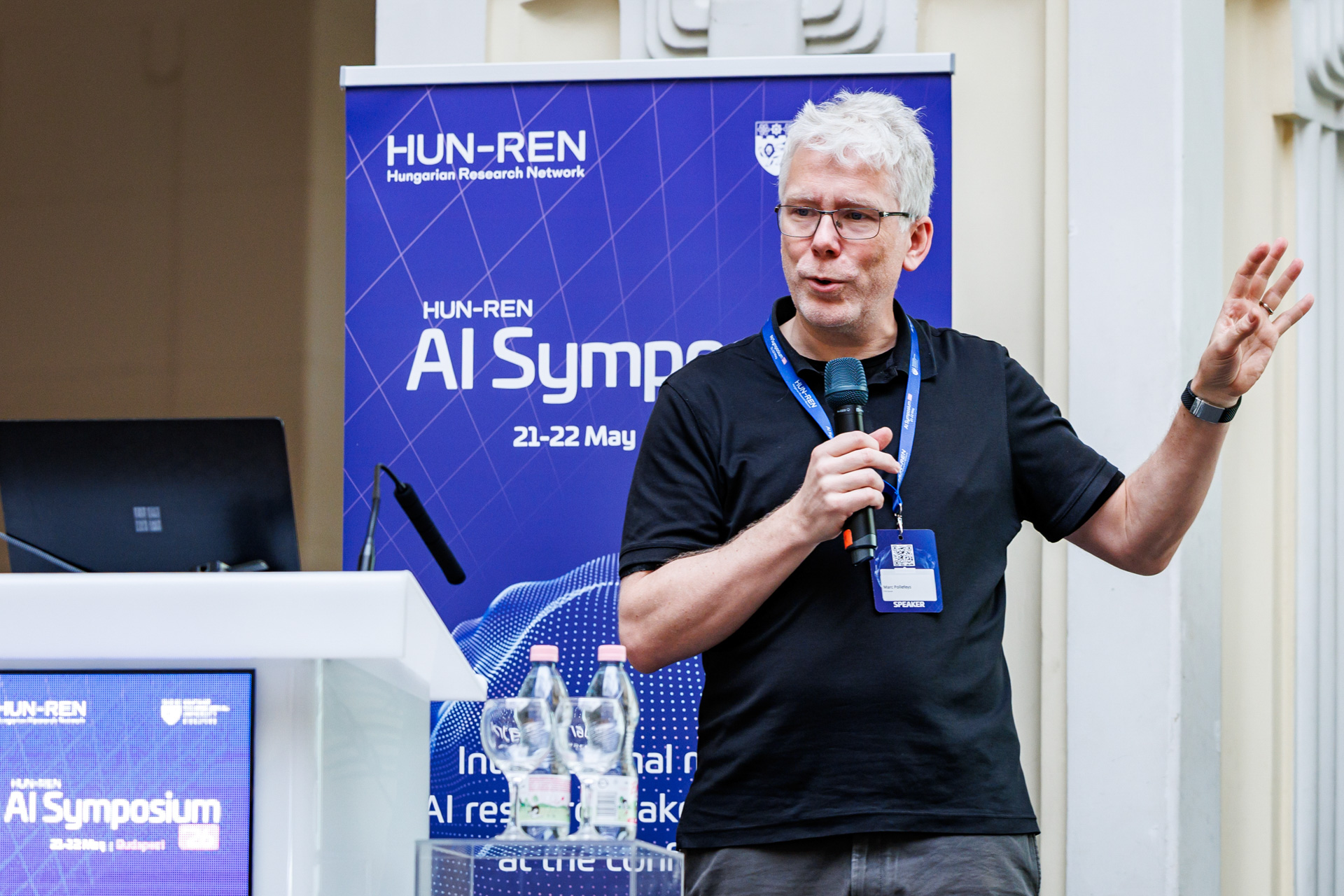
The perception of objects and the mapping of their spatial relationships is another fundamental human ability — yet it is far from straightforward for artificial intelligence. Computer vision is not a new field, and around a decade ago solutions already existed that could identify matching details across two images, as Marc Pollefeys, one of the field's foremost authorities, recalled when describing its origins. More recent advances, however, are capable of truly remarkable things. DepthSplat, for example, requires only six partially overlapping photographs of a room interior to generate a walkthrough video, as though a camera operator were moving from one room to the next.
The next major step will come when semantic information is added alongside geometry in visual data — meaning that a system will not only know what a room interior looks like, but also which object is which and what physical properties it possesses. From a video, for instance, a robot could learn how and with how much force to open a door or pull out a drawer; or, wearing a HoloLens, a user could receive useful information about an object in front of them. The latter could be particularly valuable in a factory setting, where a technician could instantly see which component needs replacing and how.

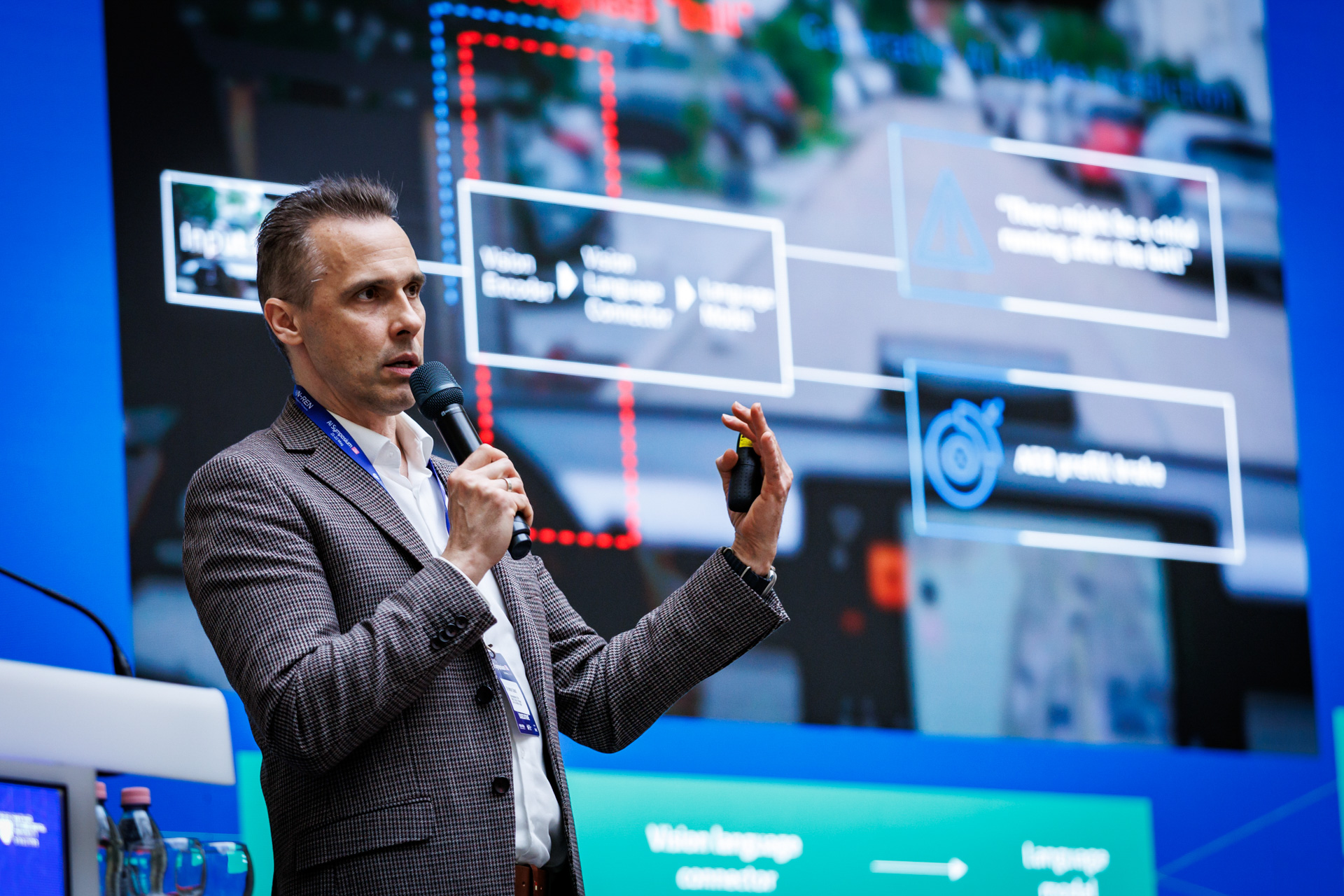
Other speakers agreed that artificial intelligence can truly perform at its best in the real world when it not only recognises its environment, but is also able to interpret it accurately from multiple viewpoints and multiple data sources. This is especially critical in the automotive industry, emphasised Oliver Lange, Head of Interior Sensing Systems at Bosch's AI centre. Fully mapping the environment requires the integrated processing of radar, LiDAR, and camera data — and Bosch is already exploring how monitoring the vehicle interior could further enhance road safety. Interior sensors observe the driver, monitor seating position, detect signs of inattention, and may even identify certain health-related conditions — potentially preventing serious accidents.

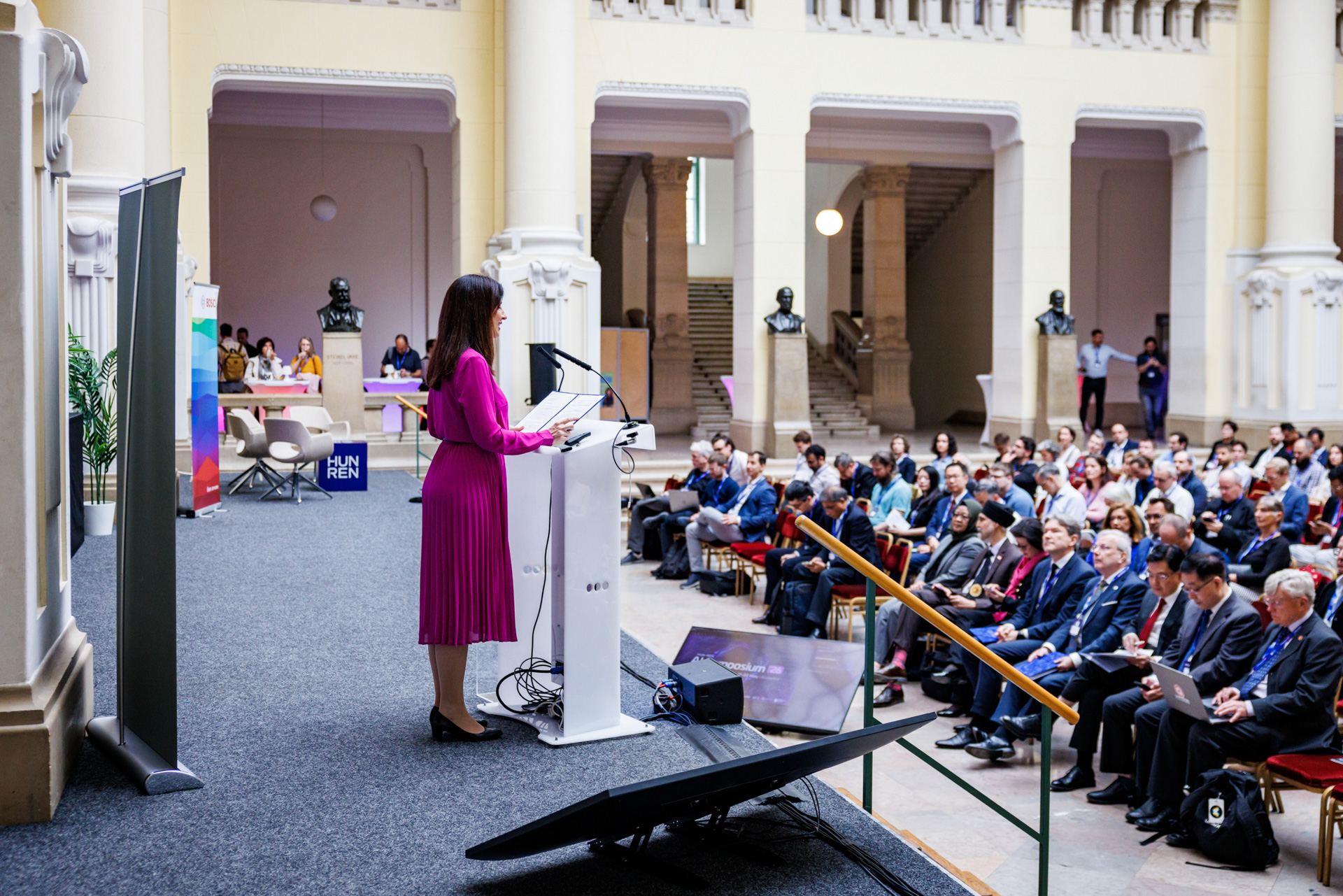
These examples illustrate well that the true potential of AI emerges through cross-disciplinary and cross-border collaboration between research groups — a point that the conference hosts emphasised in their opening remarks.
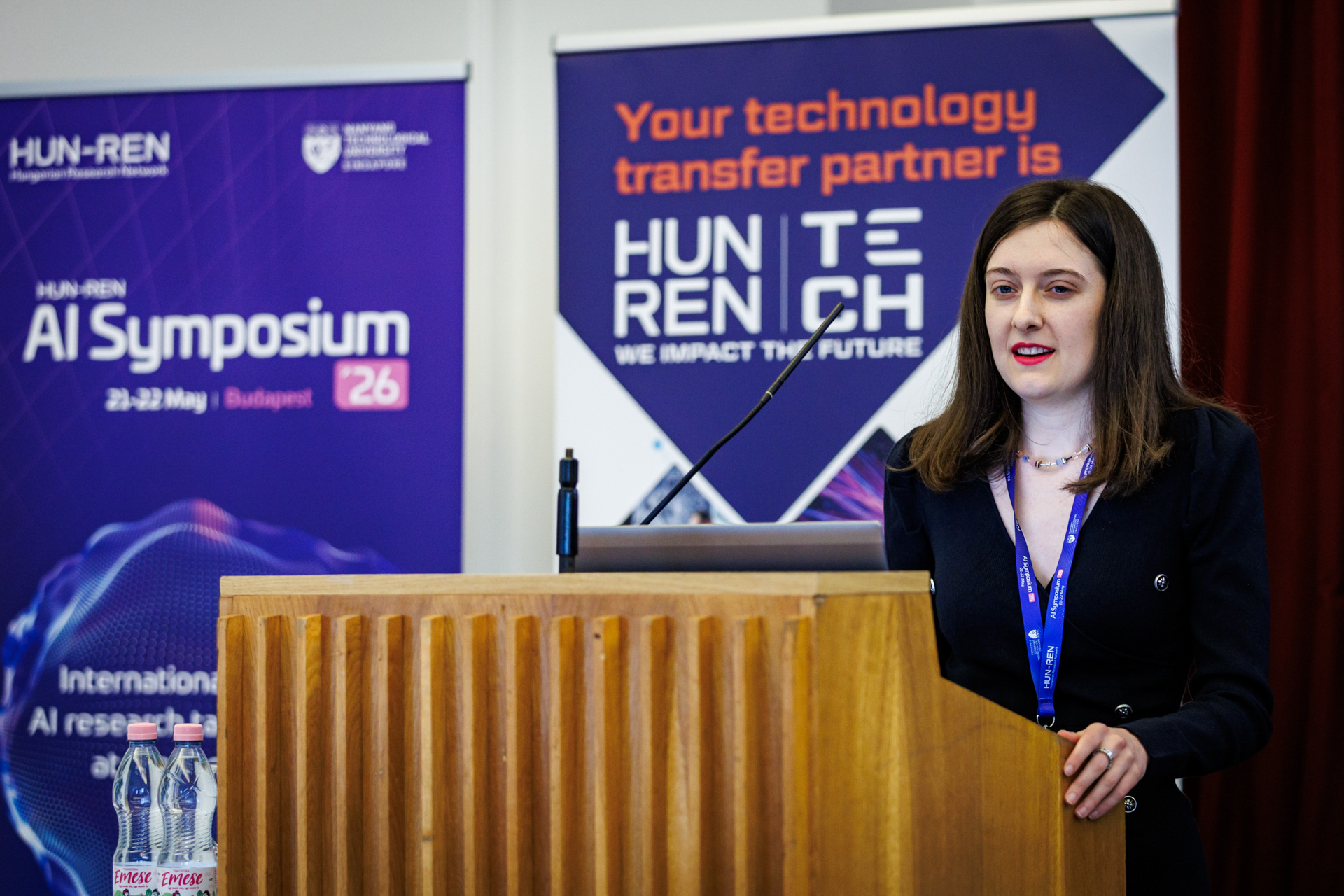
"We are delighted to be co-organising this symposium with NTU, one of the world's leading science and technology institutions. NTU's participation and the presence of our international guests reflect the importance of openness, collaboration, and the free flow of ideas across borders and disciplines in advancing scientific progress,"* said Balázs Gulyás, President of the HUN-REN Hungarian Research Network.
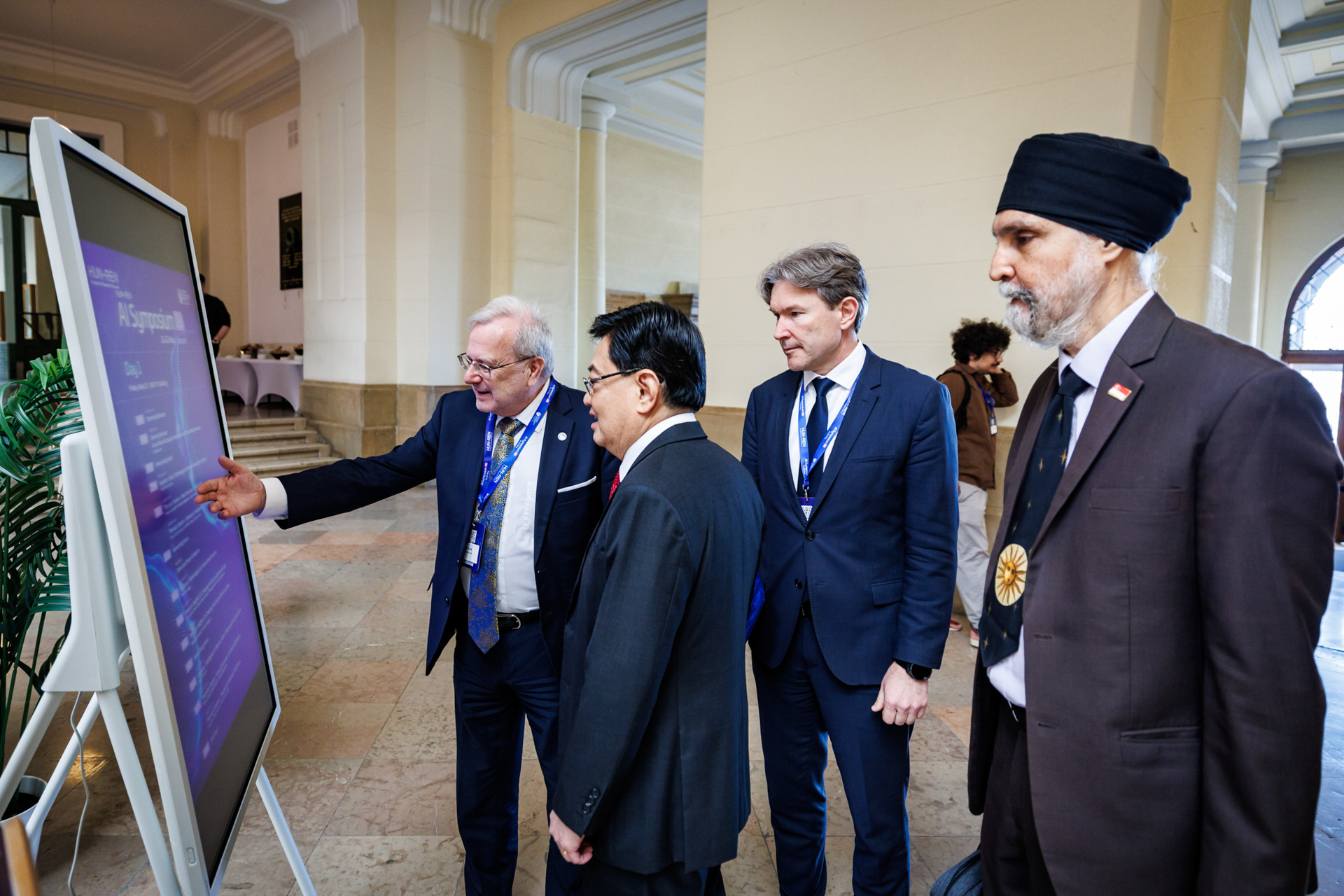
"Scientific progress today increasingly depends on the ability of researchers, institutions, and industry partners to collaborate across disciplines, sectors, and borders. The AI Symposium provides a valuable platform to strengthen these connections and deepen international collaboration in areas such as AI, science, and innovation,"* said Heng Swee Keat, Chairman of Singapore's National Research Foundation, in his opening address.
"Artificial intelligence is not simply another tool in the arsenal of science: it is a new operating model for science itself. That is why, over recent years, one of our most important scientific objectives has been to understand how AI is transforming the scientific endeavour — and to help the Hungarian research community become active shapers of that transformation,"* added Roland Jakab, CEO of HUN-REN.
On the sidelines of the AI Symposium, the HUN-REN Hungarian Research Network and NTU also signed a cooperation agreement, reaffirming their commitment to expanding the partnership established in October 2024. Building on the experience of the first joint seed grant programme launched in 2025, the two organisations will deepen their research collaboration, launch joint PhD scholarship programmes, and position the relationship between NTU CCDS and HUN-REN research institutions as a long-term institutional partnership.


'%3e%3cg%20transform='translate(360.645%203210.941)'%3e%3cpath%20d='M0,9.915l2.339,2.479L9.355,4.958l7.016,7.437,2.339-2.479L9.355,0Z'%20transform='translate(0%200)'%20fill='%23fff'/%3e%3c/g%3e%3cg%20transform='translate(360.645%203220.663)'%3e%3cpath%20d='M0,9.915l2.339,2.479L9.355,4.958l7.016,7.437,2.339-2.479L9.355,0Z'%20transform='translate(0%200)'%20fill='%23fff'/%3e%3c/g%3e%3c/g%3e%3c/svg%3e)