

A Hungarian volcanologist’s exclusive report from Ethiopia
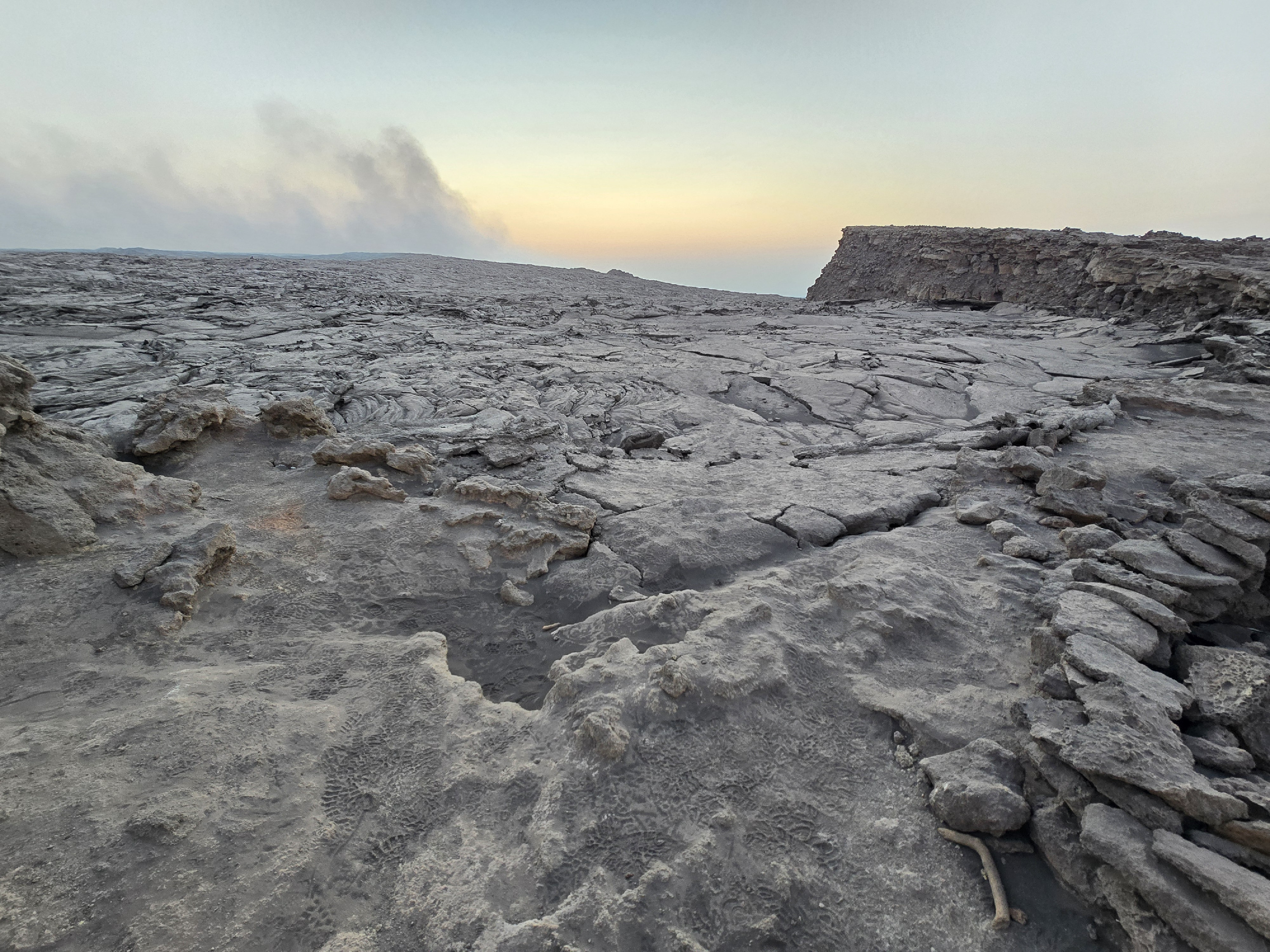
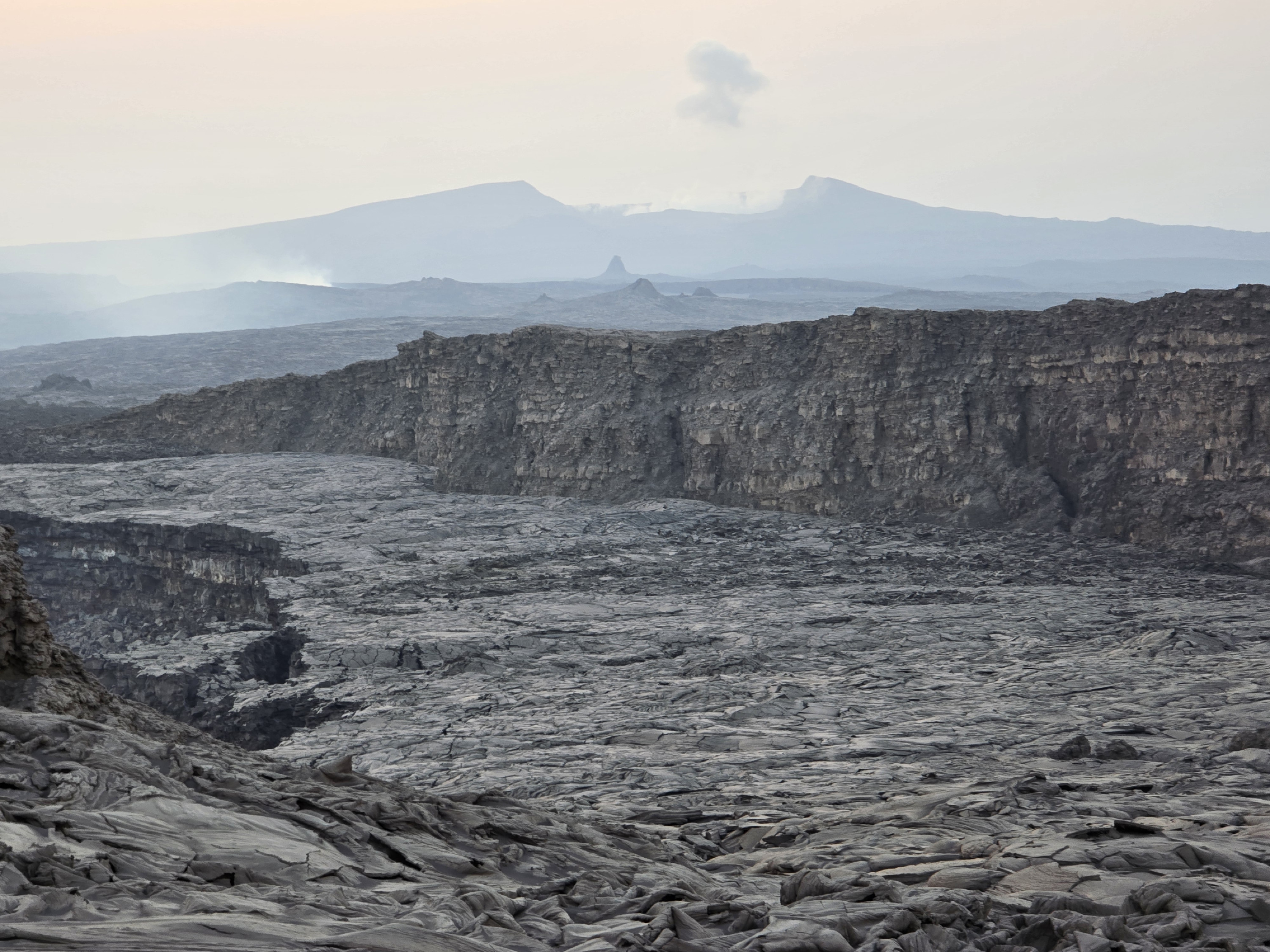
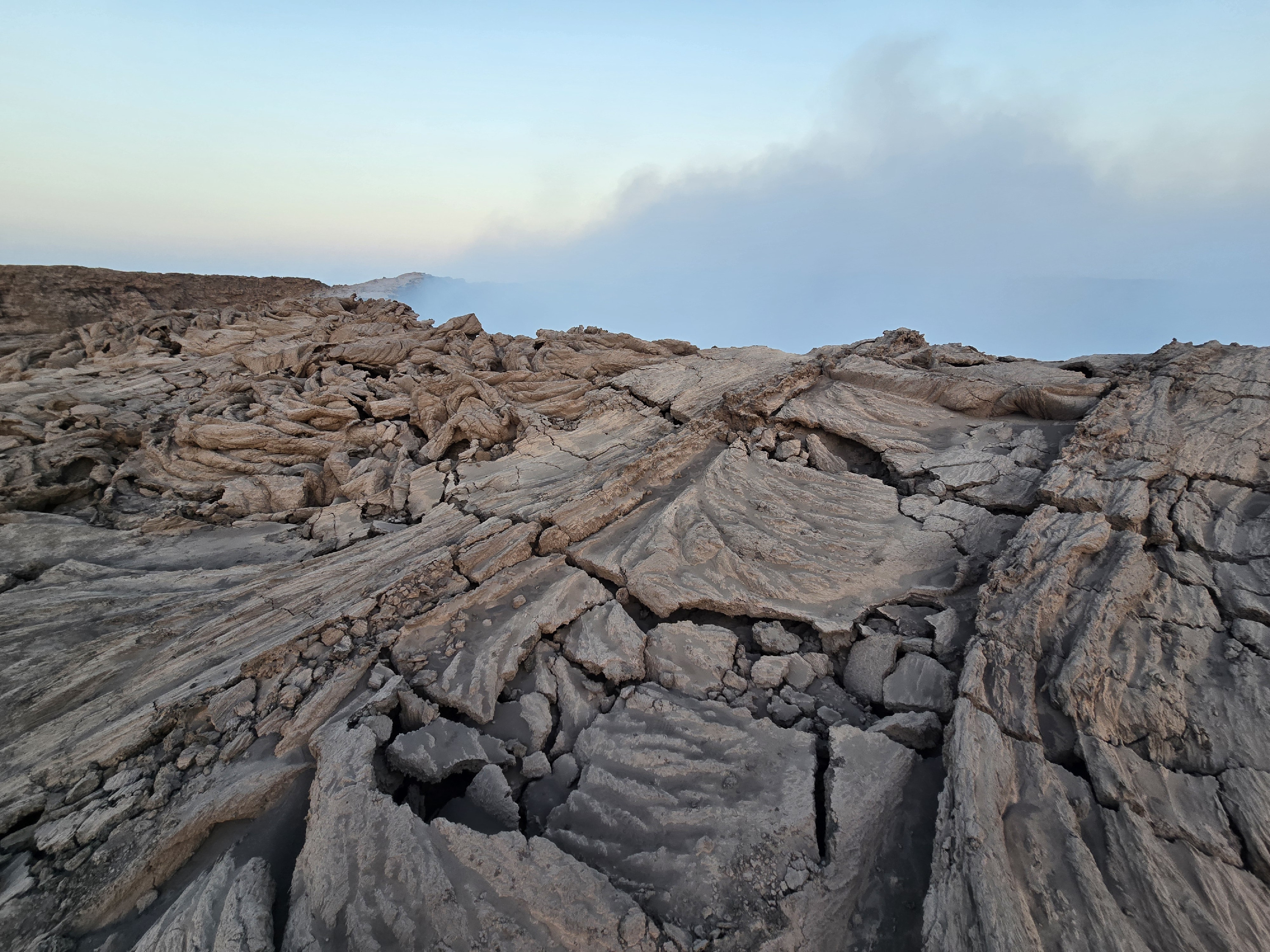
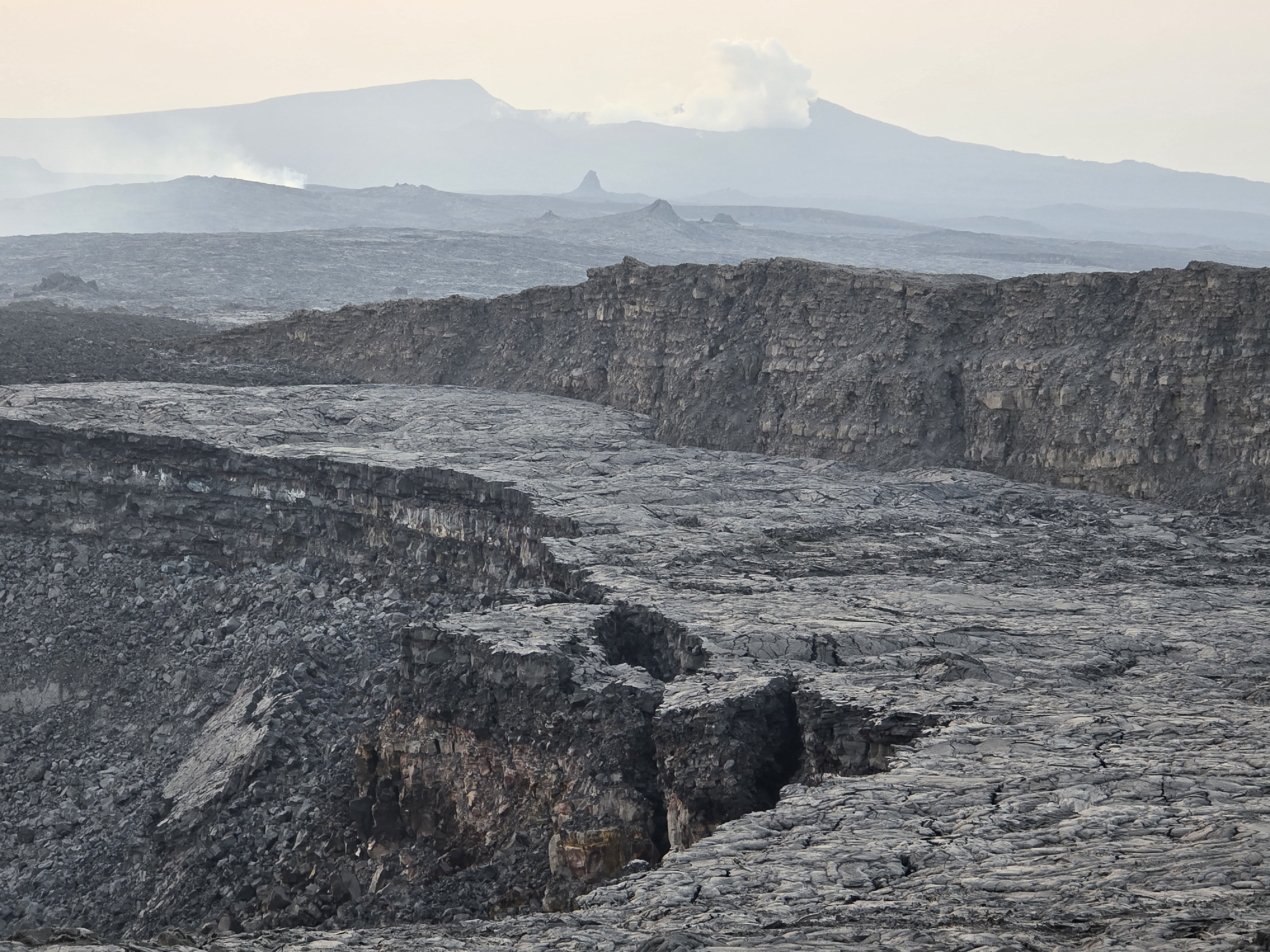
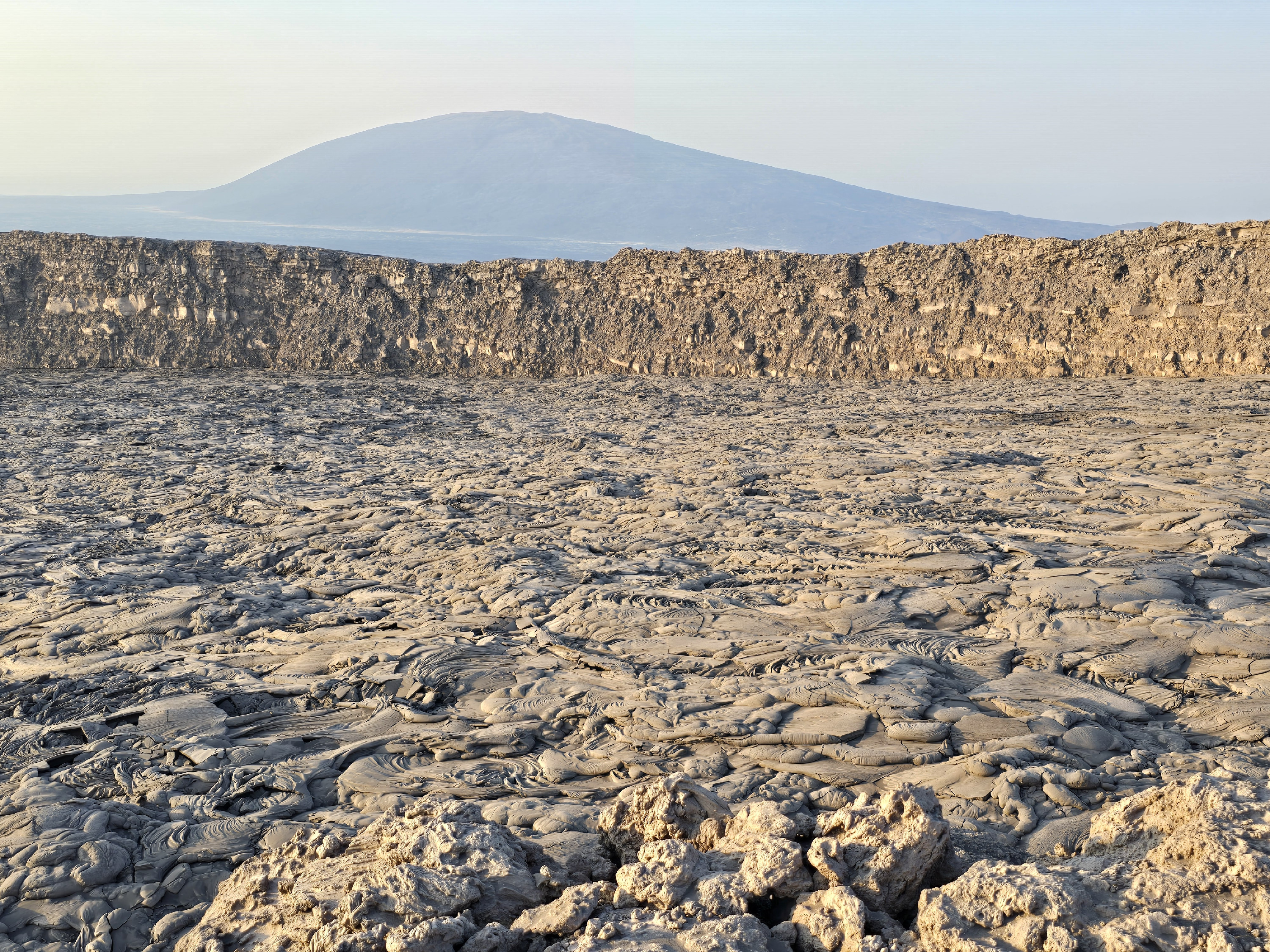
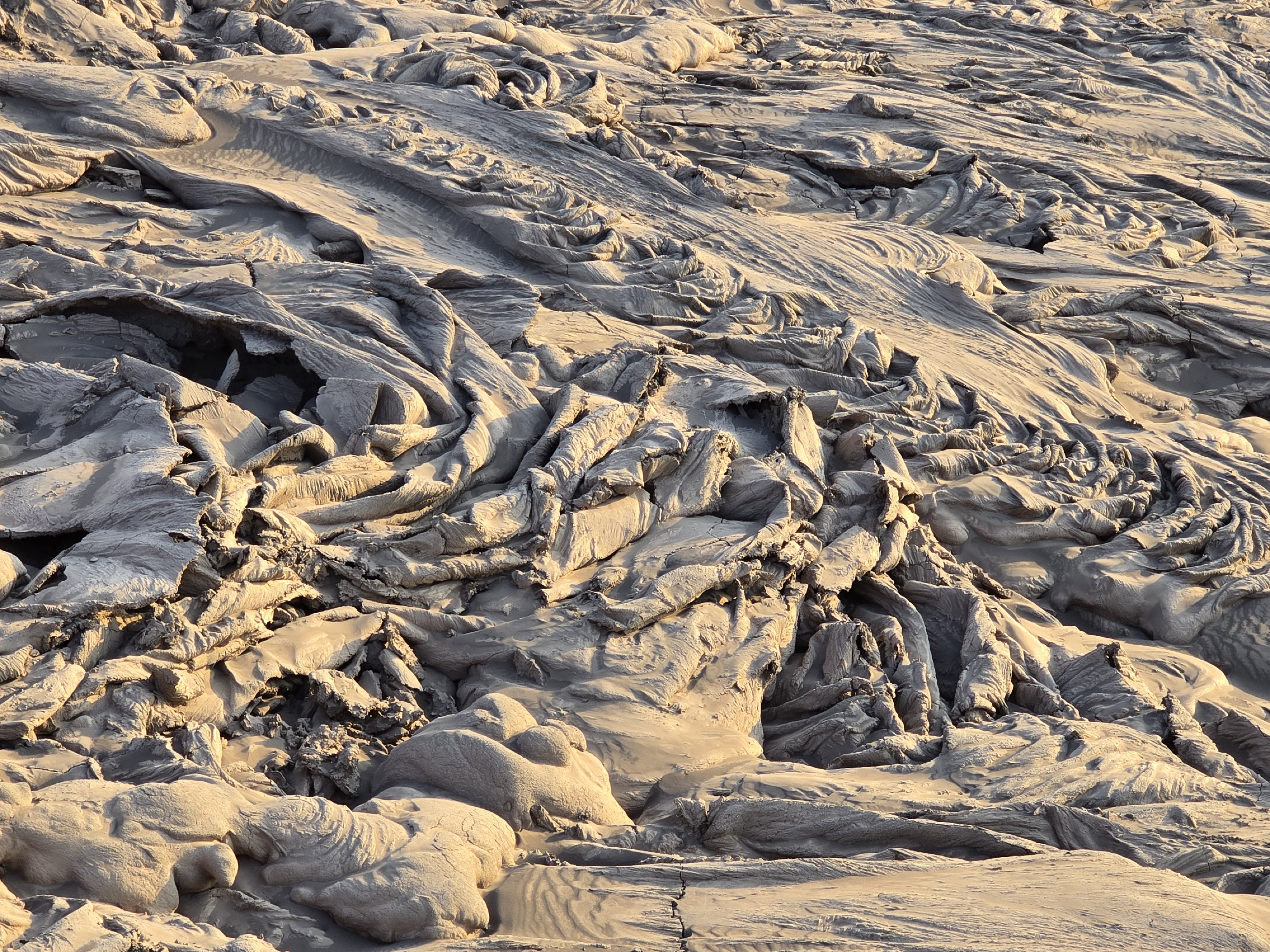
Over the past few days, a researcher at the HUN-REN Institute of Earth Physics and Space Science (HUN-REN EPSS) has been conducting fieldwork in breathtaking but far from safe landscapes. Károly Németh travelled to Ethiopia to study the ongoing eruption of the Hayli Gubbi volcano at first hand.
‘In recent days, the Hayli Gubbi volcano has been marked by increasingly powerful explosions, ash plumes rising to 300 metres and sulphurous degassing, so it could not be approached,’ reported Károly Németh, a researcher at HUN-REN EPSS and an internationally recognised geologist, from the field.

Despite the difficulties and risks, the trip was not in vain.
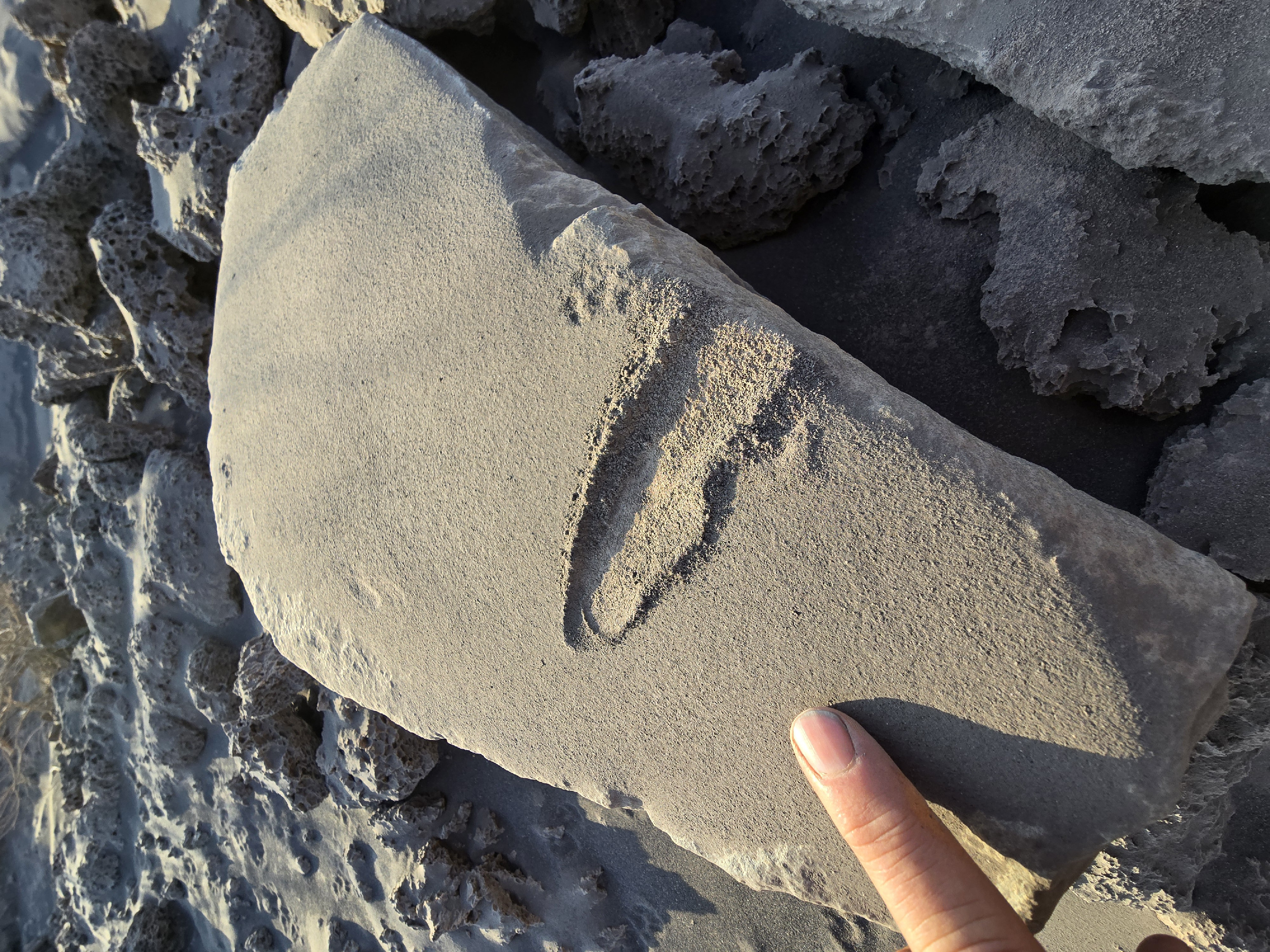
‘We managed to examine a fresh ash layer 3–5 centimetres thick at the crater of the Erta Ale volcano, 13–15 kilometres from Hayli Gubbi. All signs suggest that Hayli Gubbi’s eruptions were phreatomagmatic in nature,’ Németh explained. ‘The intruding magma may have encountered water from the hydrothermal system, triggering this intense explosive activity.’

For the time being, the researchers have not been able to bring back samples for further laboratory analysis, as exporting them from the country requires special permits. The process of obtaining these permits is already under way, so the next expedition, scheduled to depart in the second half of December, will hopefully contribute not only new data but also valuable samples to the ongoing study.


'%3e%3cg%20transform='translate(360.645%203210.941)'%3e%3cpath%20d='M0,9.915l2.339,2.479L9.355,4.958l7.016,7.437,2.339-2.479L9.355,0Z'%20transform='translate(0%200)'%20fill='%23fff'/%3e%3c/g%3e%3cg%20transform='translate(360.645%203220.663)'%3e%3cpath%20d='M0,9.915l2.339,2.479L9.355,4.958l7.016,7.437,2.339-2.479L9.355,0Z'%20transform='translate(0%200)'%20fill='%23fff'/%3e%3c/g%3e%3c/g%3e%3c/svg%3e)