AI in Practice and the Future of Research: HUN-REN AI Symposium Opens with a Wide-Ranging Programme
Young Hungarian researchers presented projects in healthcare, engineering and theoretical AI, while Singapore’s Nanyang Technological University introduced its research strengths and training opportunities. By the end of the day, the broader theme was clear: artificial intelligence may fundamentally reshape how science is done. Day Zero of the HUN-REN AI Symposium highlighted Hungary’s emerging research talent, its international connections, and a new paradigm for AI-driven discovery.
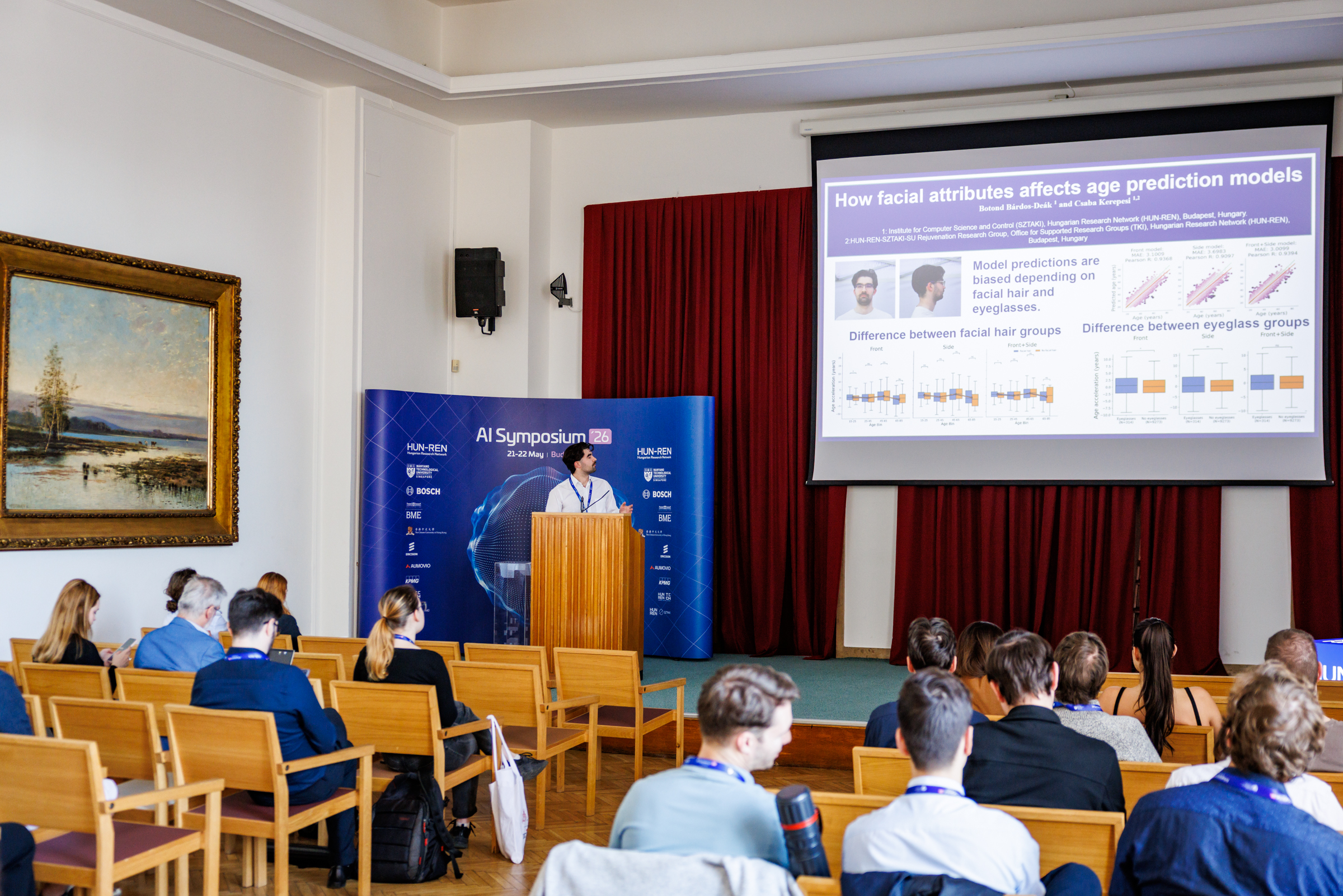
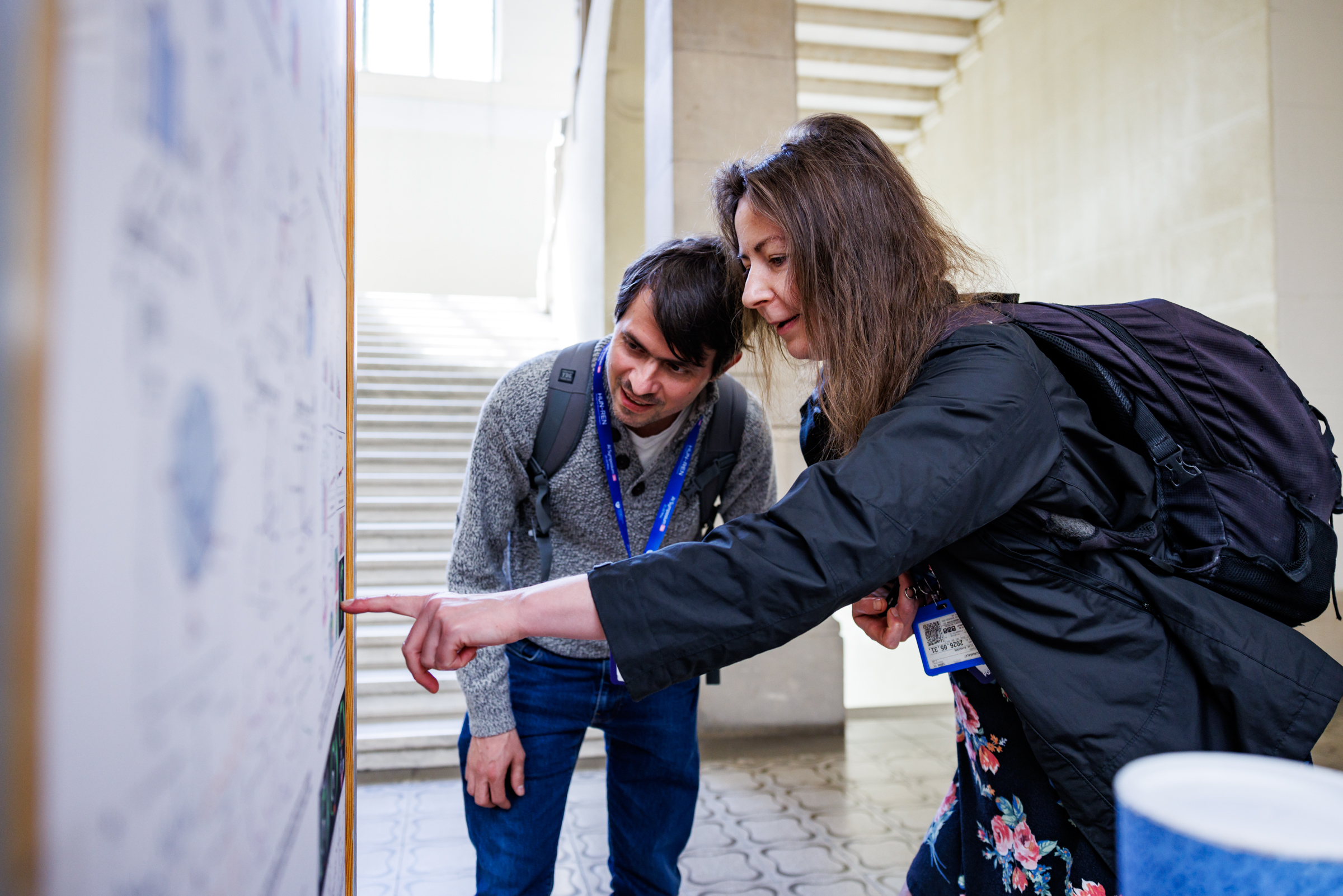
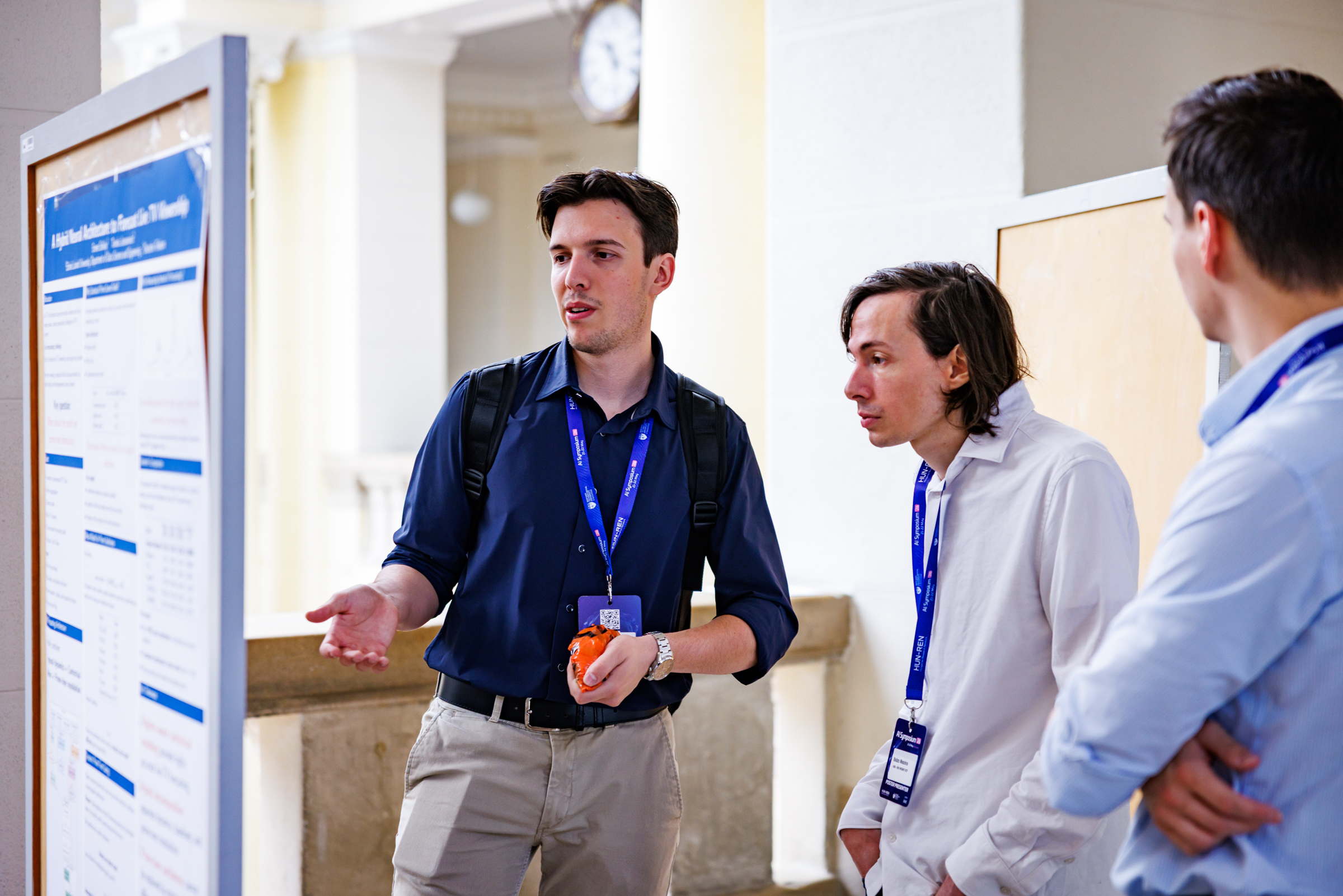
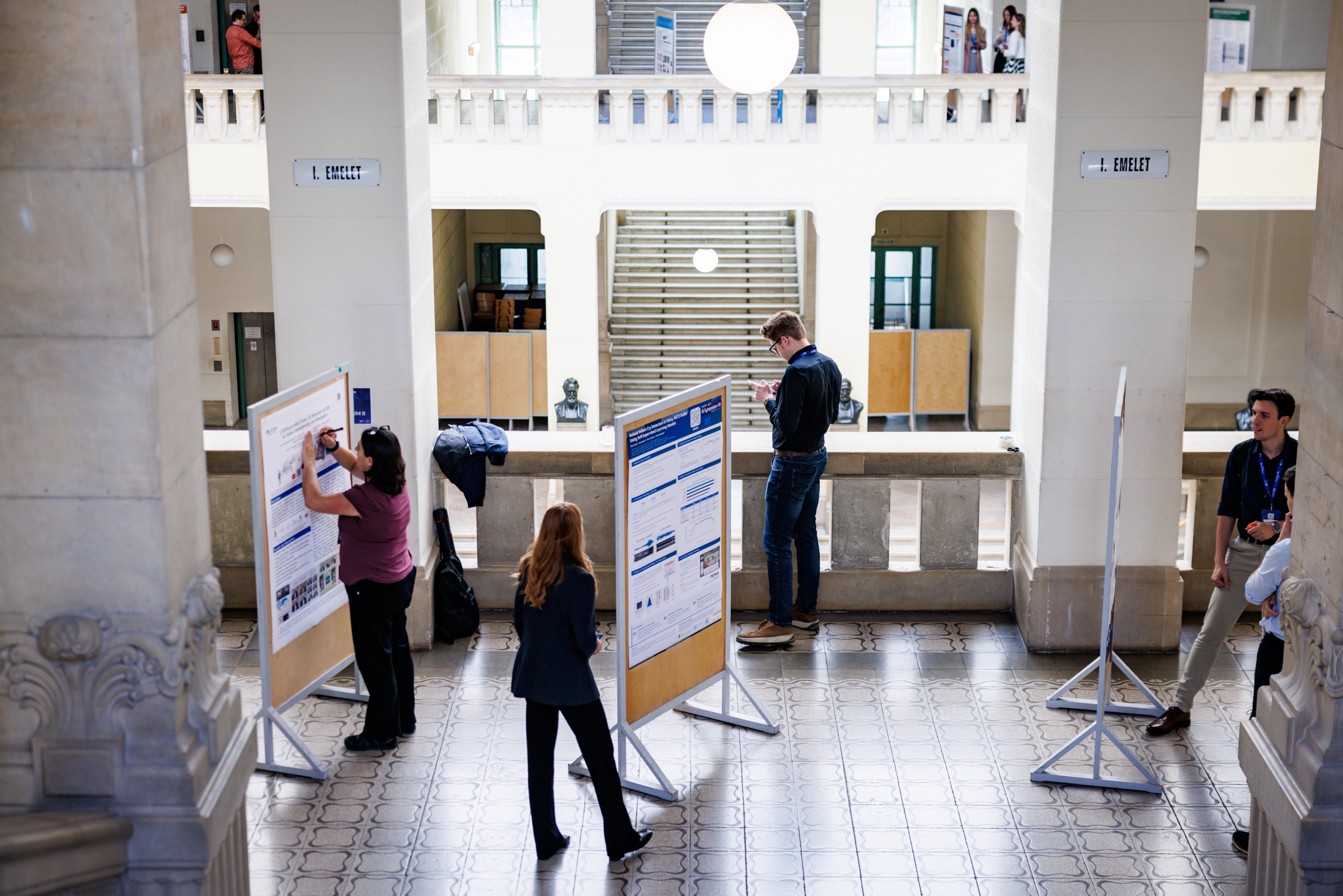
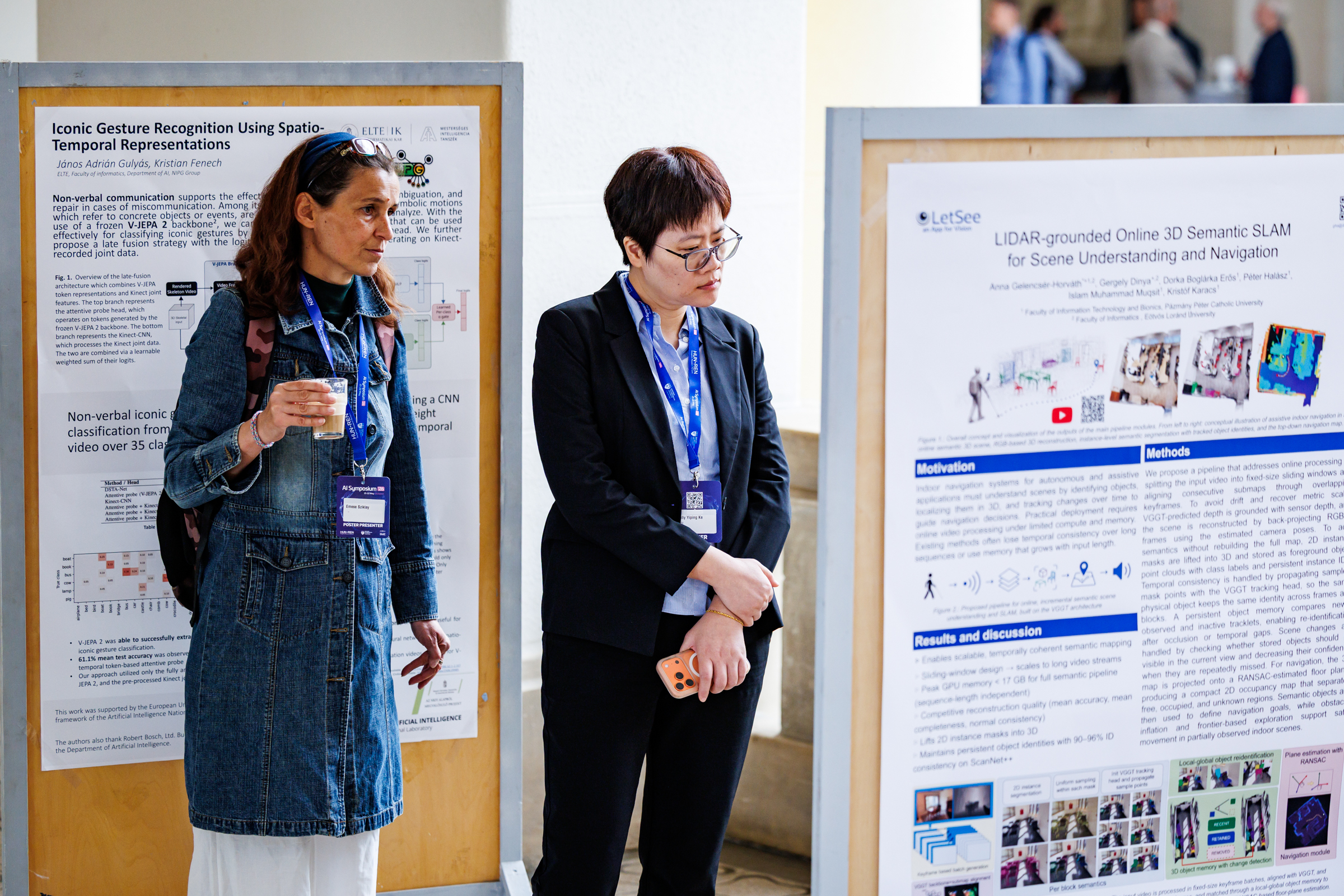
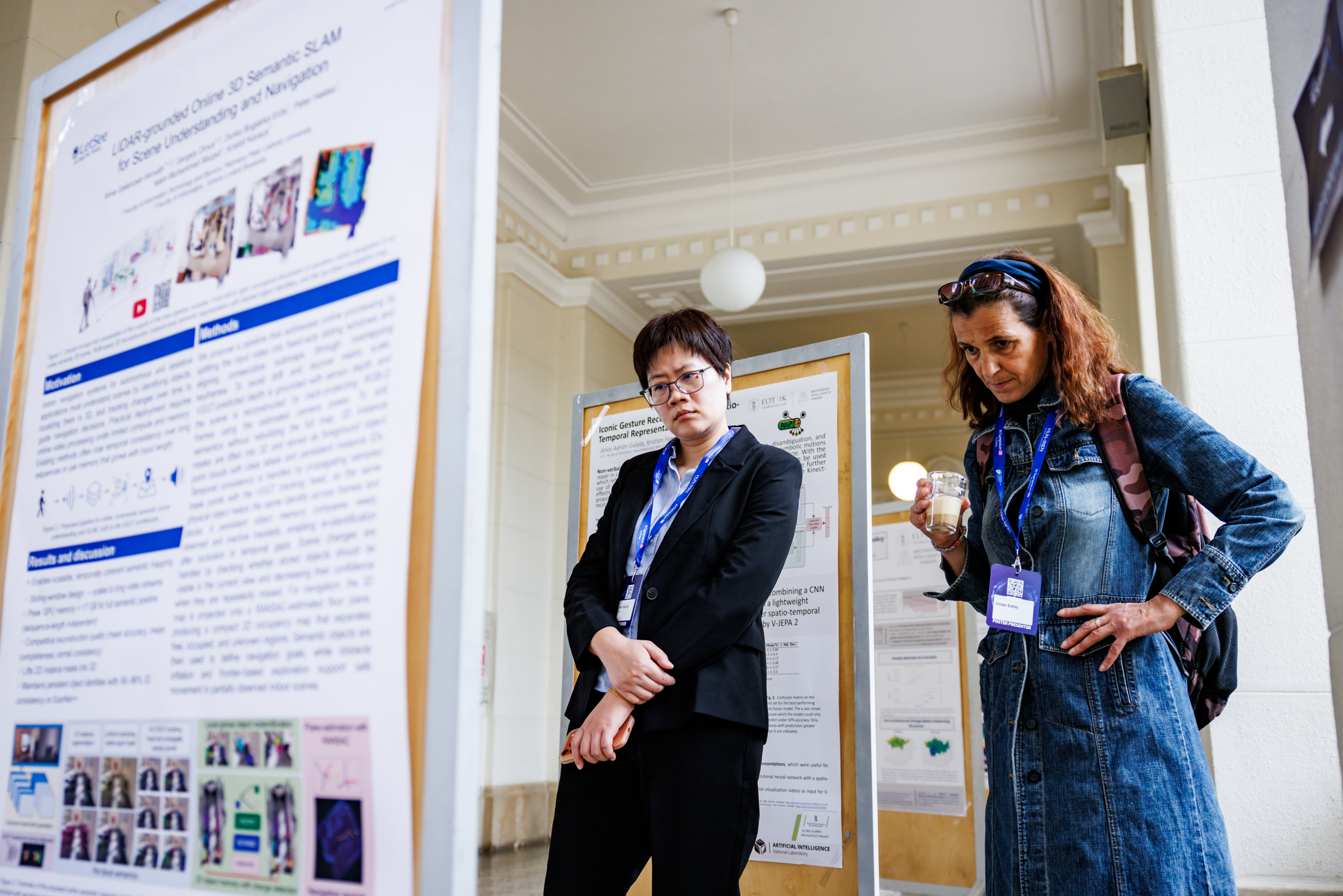
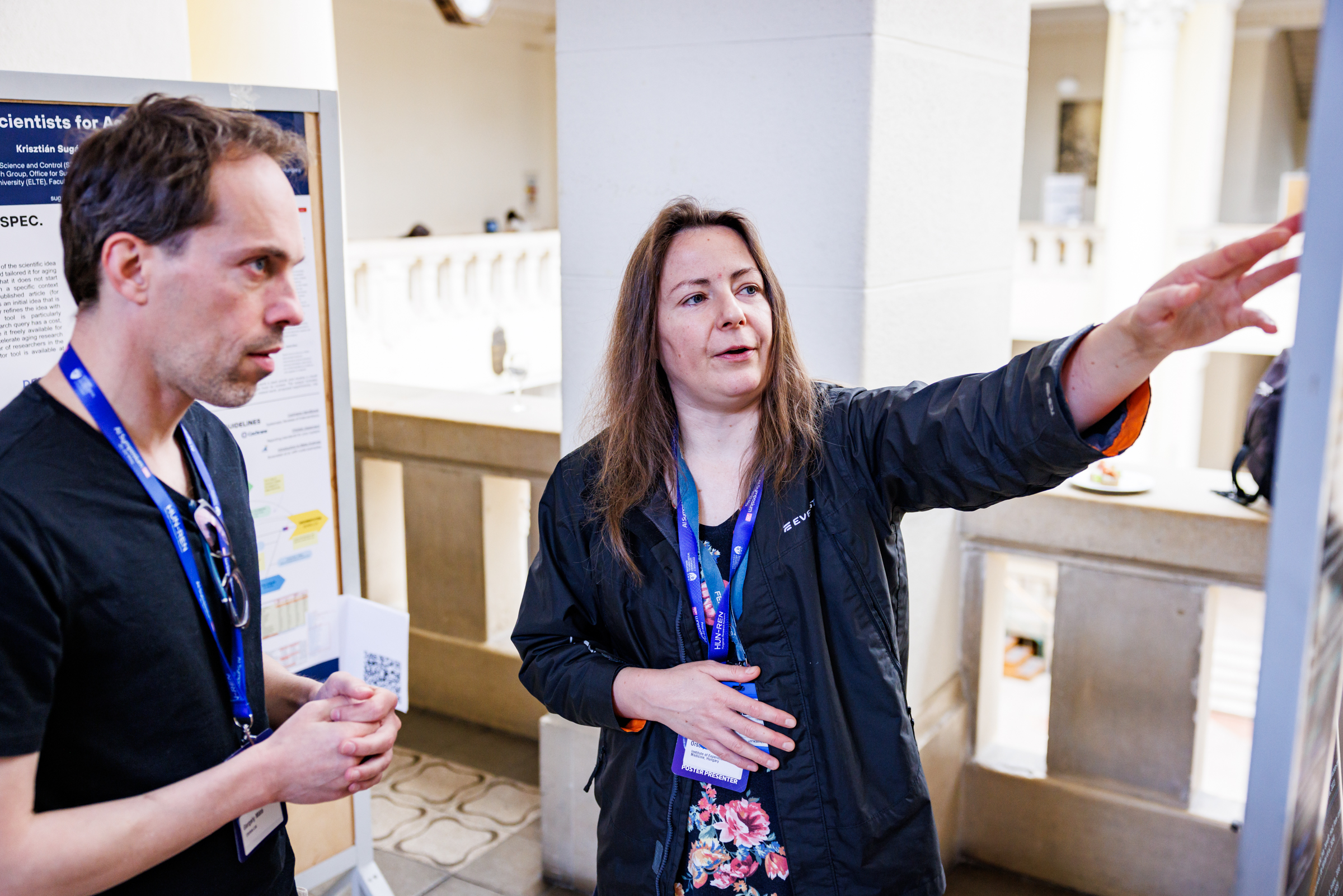
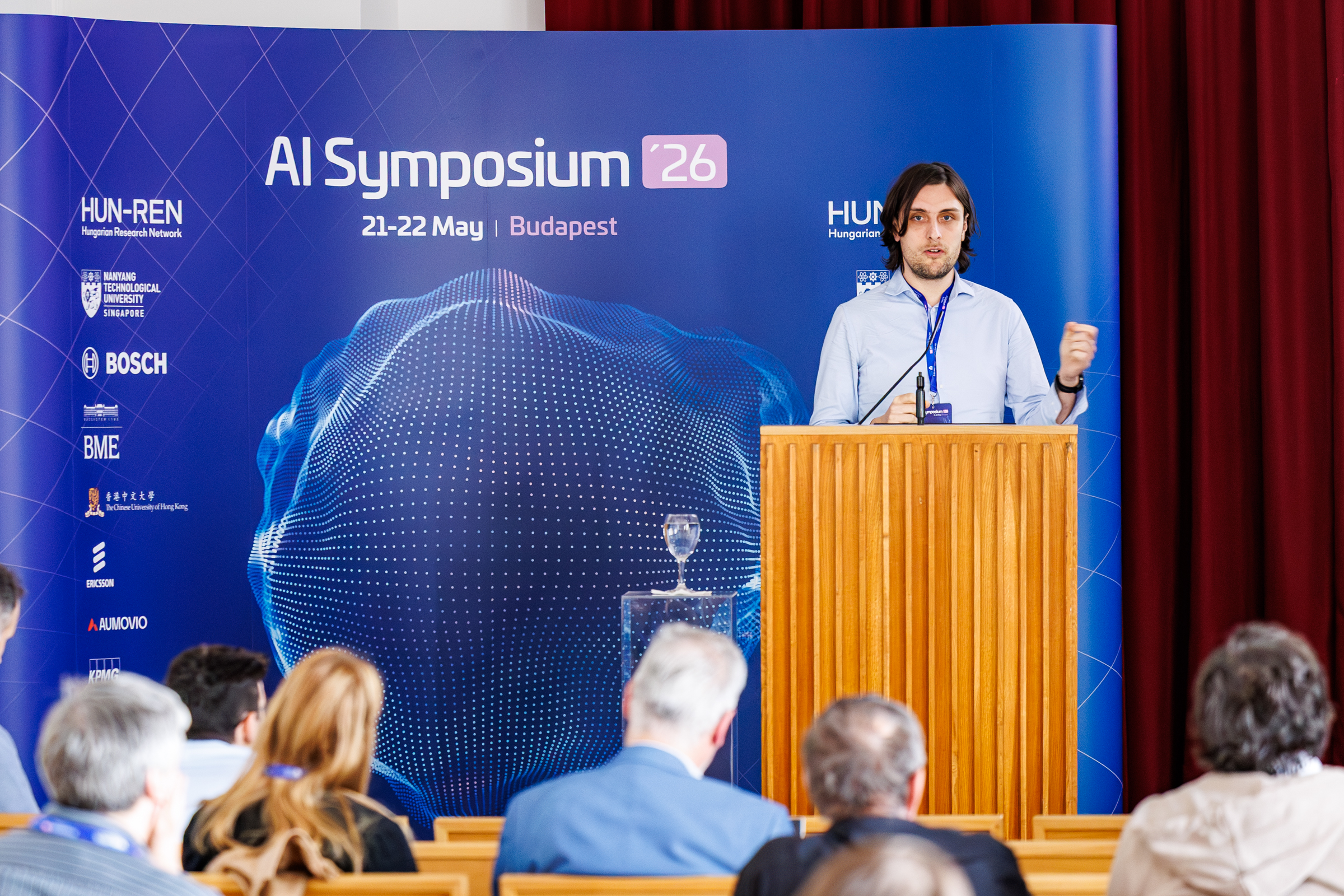
The morning's Poster Booster Session made one thing immediately clear: Hungary's young researchers are not chasing a single trend, but working across the full AI ecosystem – from theoretical foundations to directly applicable real-world solutions.
Particularly striking was how much of the work focused on model reliability and efficiency. Rather than simply building smarter systems, many of these projects aimed to make AI more trustworthy, interpretable and efficient. Topics ranged from calibrating learning algorithms and measuring the influence of individual data points, to vulnerabilities in federated learning evaluation, and strategies for reducing computational demands without sacrificing performance. A vivid illustration of the latter was a project on detecting premature infants’ cries in intensive care units: a lightweight model matched the performance of one with three times as many layers, at a fraction of the computational cost.
Healthcare and life sciences were especially well represented. Alongside the premature infant study, researchers presented several novel approaches to estimating biological age, as well as a method for detecting endometriosis – a condition affecting tens of thousands of women – at an early stage by analysing data from widely used mobile health apps, including menstrual-cycle and nutrition trackers. There was also a presentation on the metabolic and immunological mechanisms underlying chronic fatigue syndrome.
The range of disciplines represented was equally impressive. AI featured in almost every field imaginable: gesture recognition, LiDAR-based robot navigation, temporal analysis of satellite radar imagery, and the machine-learning-assisted design of GFP-based fluorescent markers. A particularly thought-provoking contribution came from psychology: one study examined how user competence shapes attitudes towards AI, finding that positive attitudes are driven less by theoretical knowledge than by practical, hands-on skills.
The overall picture was encouraging: Hungary's next generation of researchers is working simultaneously on fundamental theoretical questions and on applications with clear societal benefits – a dual focus that speaks to both the maturity of the field and the creativity of the people entering it.
World-class Research from Singapore
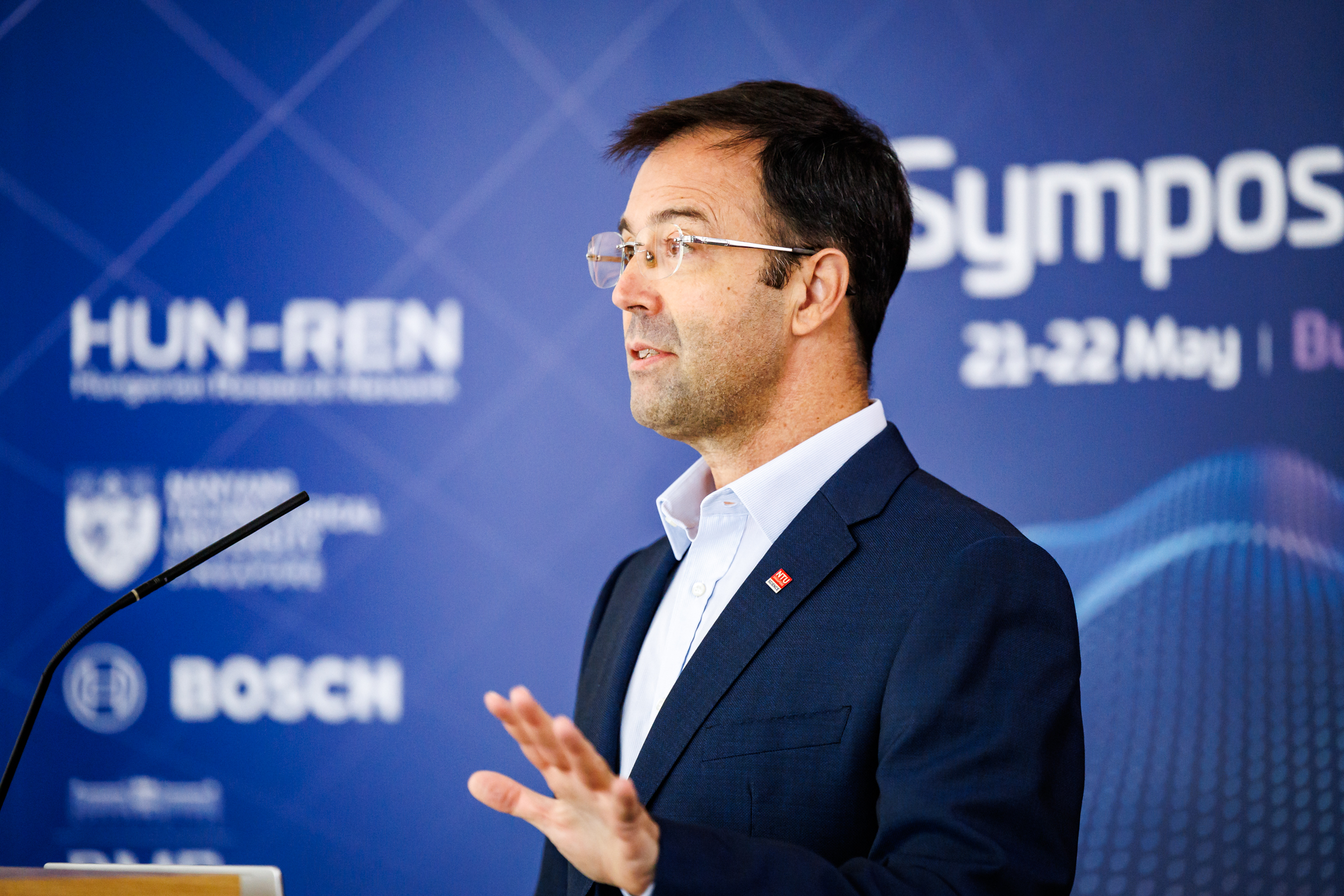
The afternoon brought an introduction from the symposium's co-organiser, Singapore's Nanyang Technological University (NTU). Senior Lecturer Dániel Paulin and Professor Juan-Pablo Ortega presented an institution that ranks among Asia's finest and plays a significant role on the global research map.
NTU’s scale is impressive in itself: six colleges, fifteen schools, nearly 25,000 undergraduate and more than 10,000 postgraduate students, 1,625 academic staff, 3,235 researchers, and over 570 global partners. In the past five years alone, the university has mobilised USD 2.3 billion in research funding, and its publications have received more than 438,000 citations. Its organisational breadth – spanning computer science, the natural sciences, medicine, engineering, and the humanities and social sciences – enables both disciplinary depth and genuine interdisciplinary collaboration.
The rankings bear this out. The College of Computing and Data Science, founded in 2024, is ranked first in the world for artificial intelligence by the Shanghai Ranking and second by US News. The Faculty of Science places eighth globally in chemistry and twelfth in mathematics. NTU’s strength does not rest on a single area of excellence; it maintains consistently high standards across multiple disciplines.
Career prospects for early-stage researchers are equally strong. The university offers fully funded PhD scholarships, joint doctoral programmes with leading partner universities, postdoctoral positions, and tenure-track appointments. NTU graduates go on to positions at institutions ranging from MIT and Oxford to the Max Planck Institutes, and companies including Google and NVIDIA. The speakers drew particular attention to the Global Connect Fellowship, which offers two months of full-time research, a SGD 5,000 stipend, accommodation, and mentoring to undergraduate and master's students, which could serve as a first step towards doctoral study.
A New Paradigm for Science
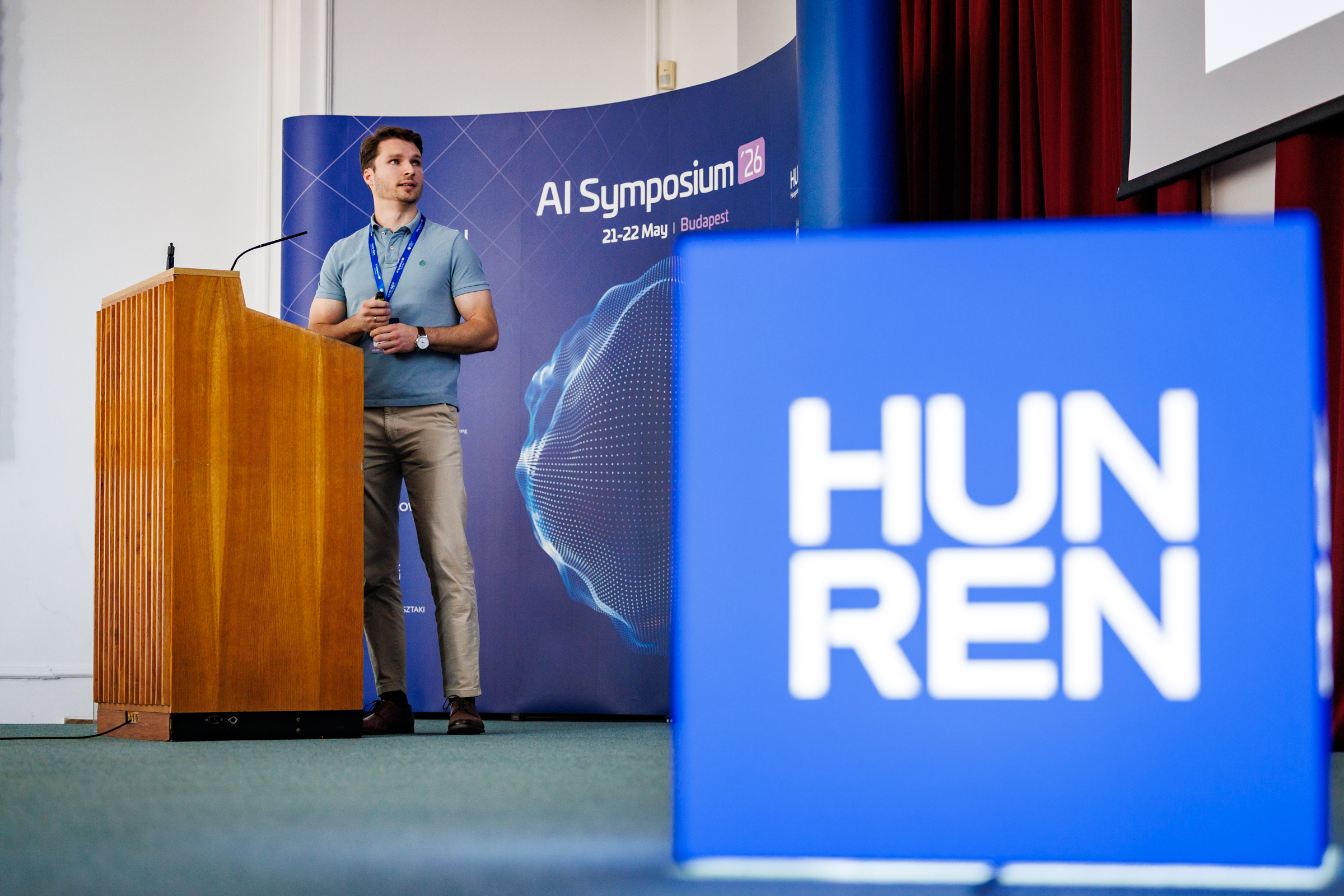
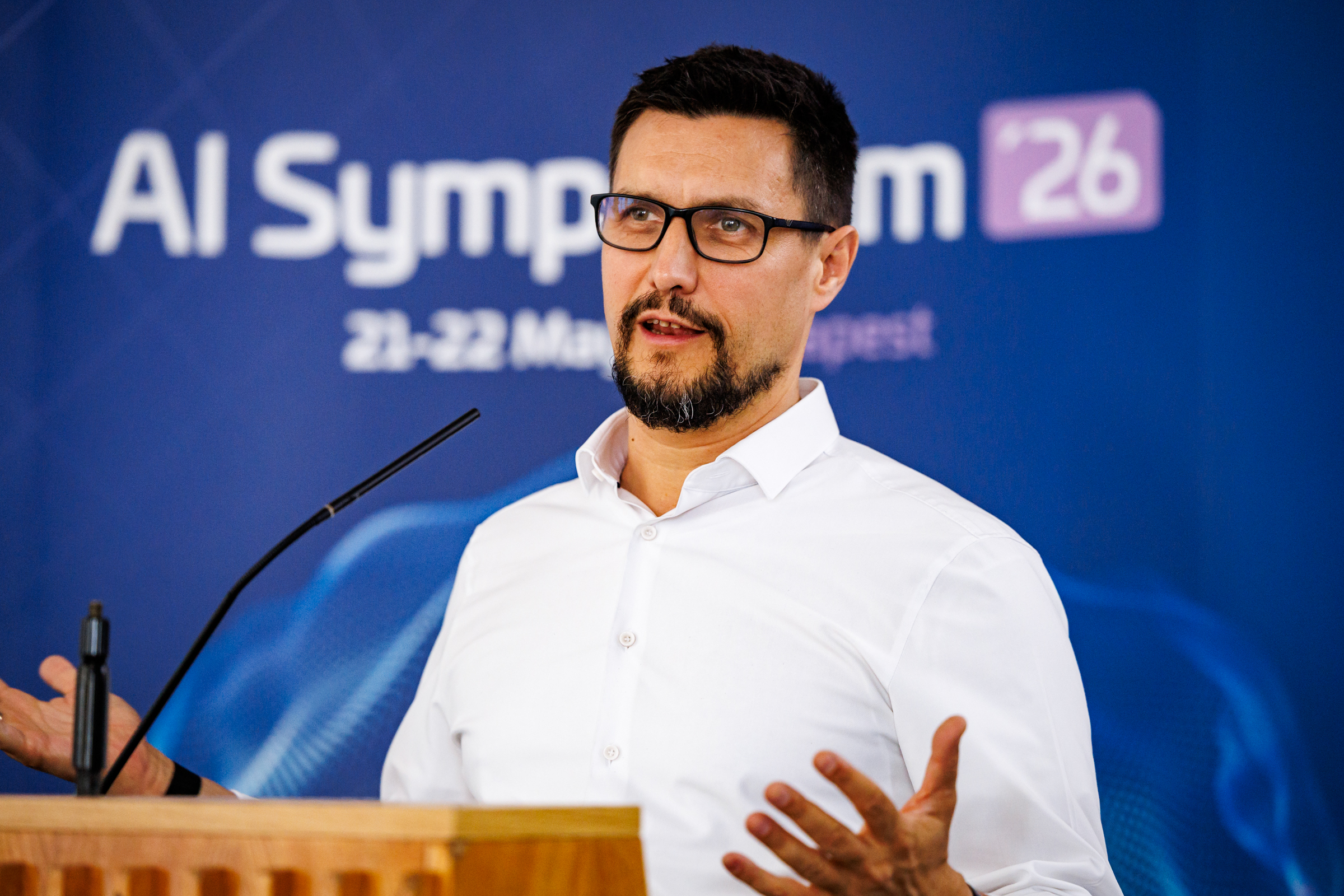
AI is not only growing more capable – in some respects it is already performing at or near doctoral level – it is also becoming steadily cheaper to deploy, a trend set to continue in the near future. How can researchers integrate these tools into their work? What does it mean to collaborate with something that may be more intelligent than we are? These were the questions posed by Gergely Szertics, Head of the HUN-REN AI Service Centre, in the opening talk of the day's final session.
There are two distinct ways of bringing AI into science, and HUN-REN actively encourages both. The first involves using various tools throughout the research process – from formulating ideas to writing up results – to work more quickly and efficiently. The second goes further: this is AI-first Science, in which artificial intelligence places research on entirely new foundations. The rapid pace of AI development makes this increasingly feasible; autonomous agents already exist that can carry out complex tasks independently, working in concert with other robotic systems.
HUN-REN's forthcoming Agentic Discovery Platform is designed to support exactly this kind of AI-first approach. A wide range of AI tools will be integrated into the platform and made available to all researchers across the network within the coming weeks. The session also included a live demonstration: researchers from various disciplines showed how AI can be used to clarify mathematical derivations or assess maize yield data from recent years – saving considerable time and effort in the process.


'%3e%3cg%20transform='translate(360.645%203210.941)'%3e%3cpath%20d='M0,9.915l2.339,2.479L9.355,4.958l7.016,7.437,2.339-2.479L9.355,0Z'%20transform='translate(0%200)'%20fill='%23fff'/%3e%3c/g%3e%3cg%20transform='translate(360.645%203220.663)'%3e%3cpath%20d='M0,9.915l2.339,2.479L9.355,4.958l7.016,7.437,2.339-2.479L9.355,0Z'%20transform='translate(0%200)'%20fill='%23fff'/%3e%3c/g%3e%3c/g%3e%3c/svg%3e)