

HunrenTech Interactive Conference – Where Impact Meets Science
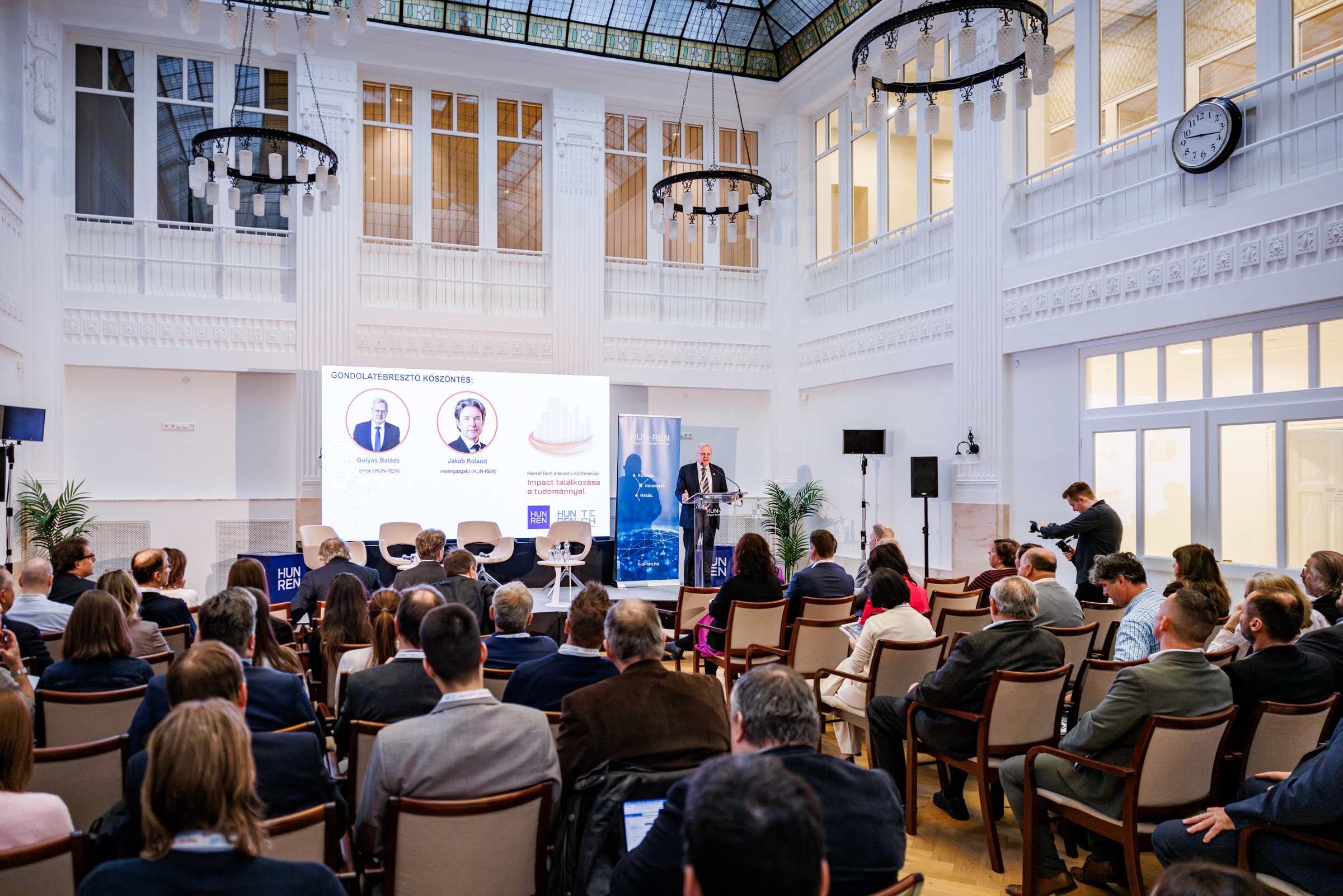
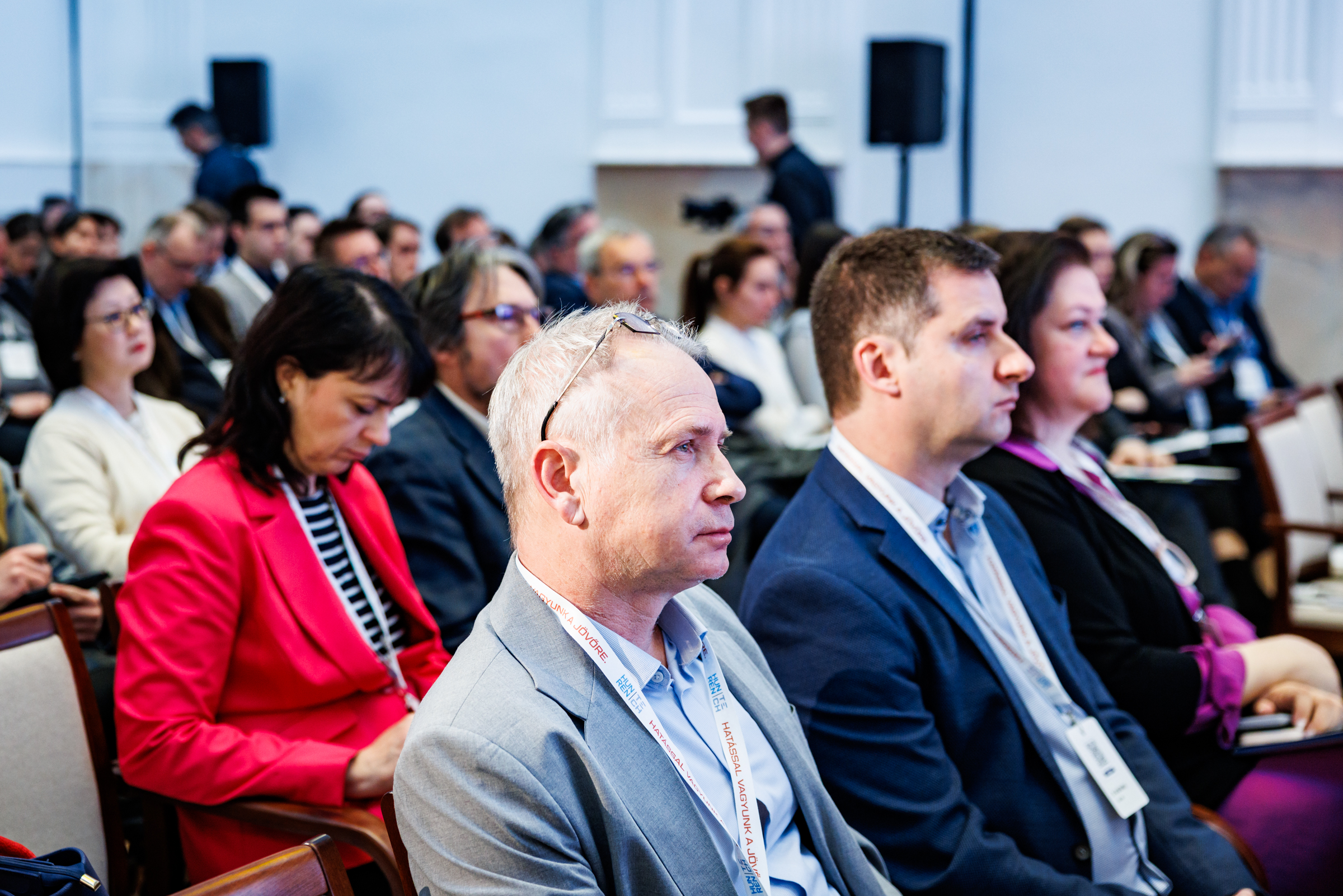
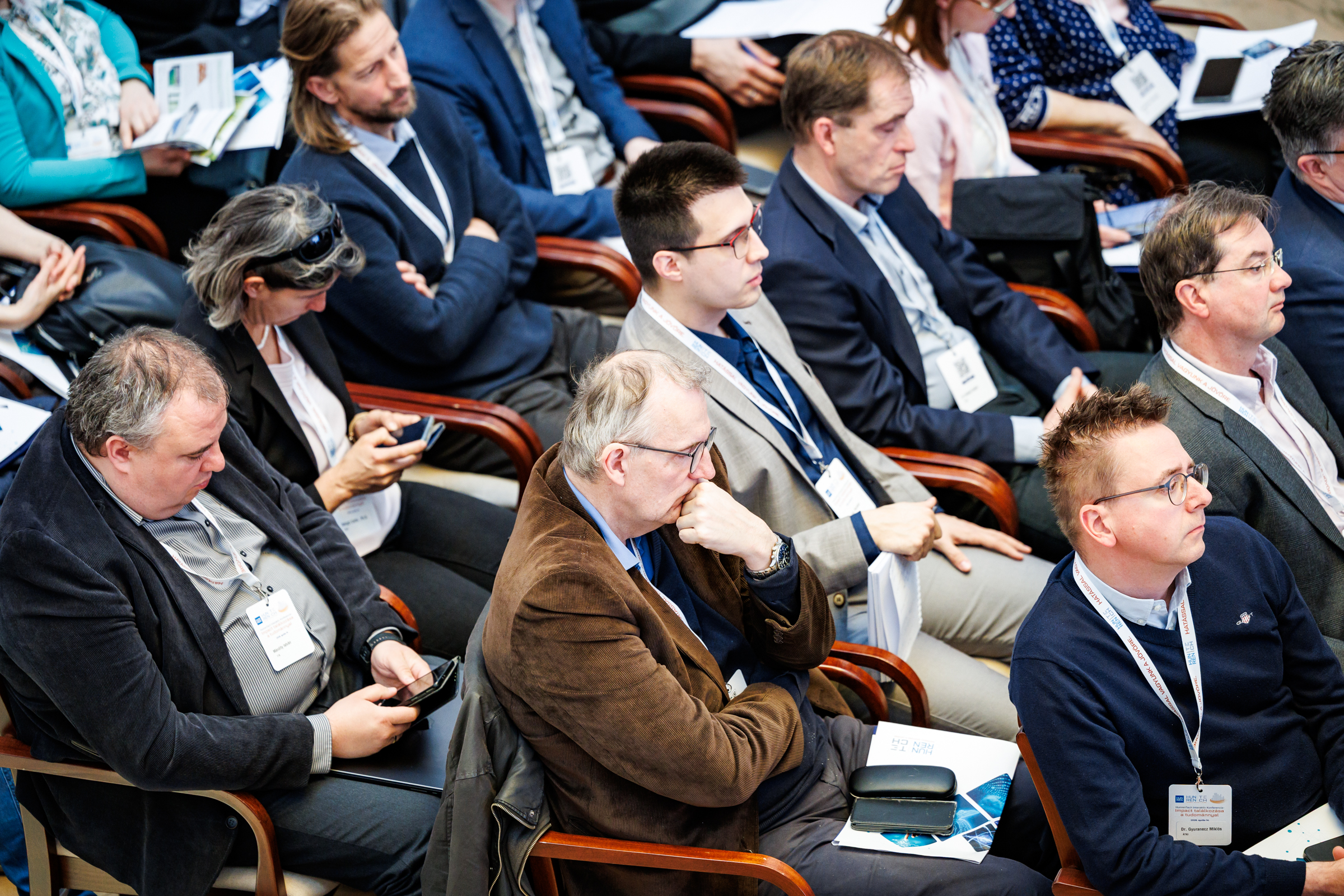
Exploring the touchpoints between research, innovation, and economic utilization, learning best practices for collaboration between research and the market, and examining the role of technology transfer, intellectual property rights, and the startup ecosystem were the main themes of the HunrenTech conference held on April 14, 2026. This was the second such event, fully booked and broadcast live online, that was organized for the entire network of the HUN-REN Hungarian Research Network (HUN-REN). The primary goal of the conference was to prepare researchers within the Network for the functioning of the international innovation ecosystem and to share globally proven best practices through concrete examples.
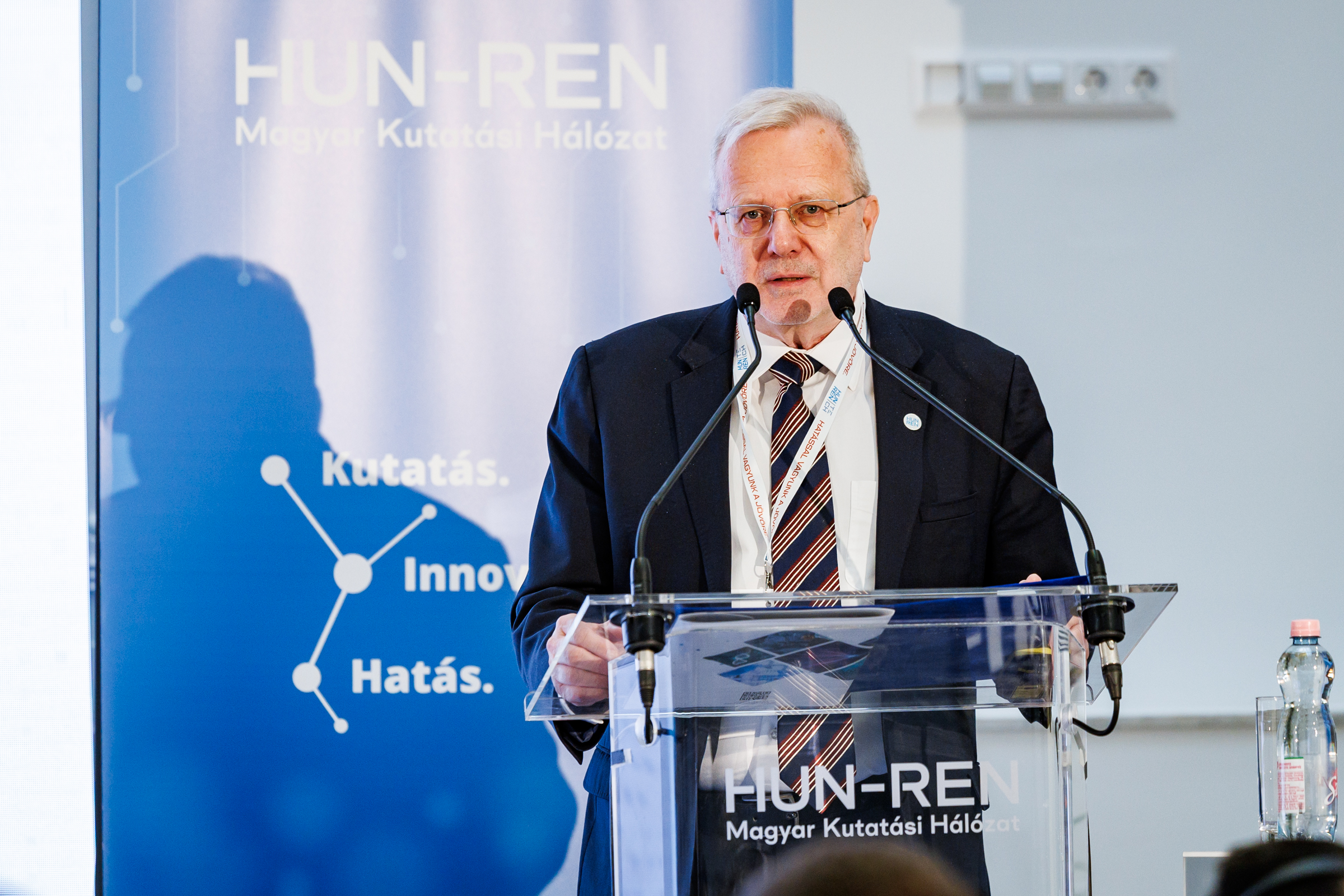
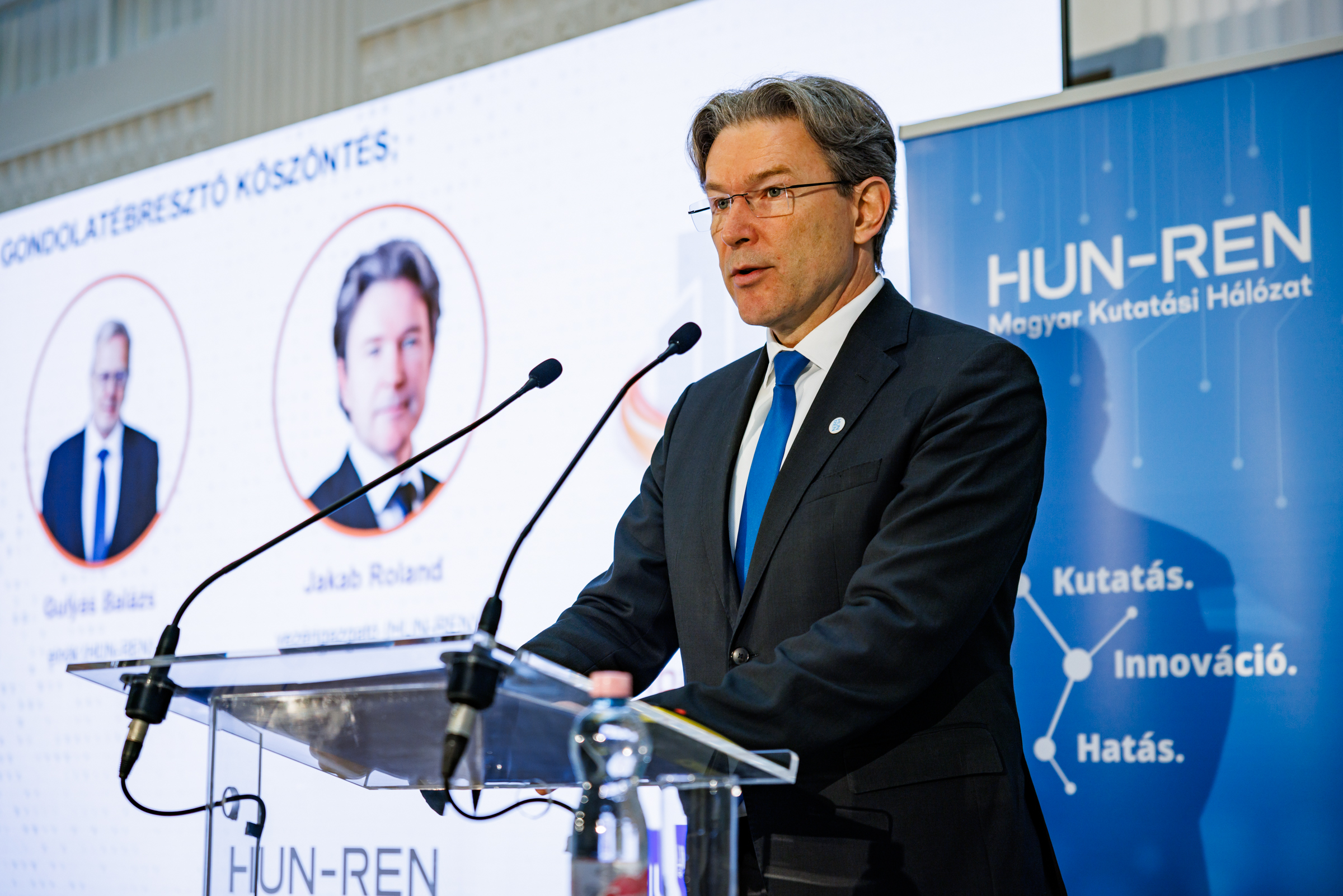
At the event, international and Hungarian experts shared their experiences through presentations and panel discussions and answered participants’ questions. The conference was opened by Balázs Gulyás, President of HUN-REN, and Roland Jakab, CEO of HUN-REN, who outlined the directions for renewing Hungary’s research and innovation system, as well as the strategic objectives of HUN-REN.
In his opening speech, Balázs Gulyás emphasized that HUN-REN aims to establish an internationally competitive innovation ecosystem in which research results reach societal and economic application faster and more efficiently. The organization strives to ensure that research does not stop at publications but is transformed into tangible solutions, new technologies, and market-ready developments. Achieving this requires understanding and adopting the best international practices.
In this process, HunrenTech, the technology transfer team of HUN-REN, plays a key role by bridging research excellence and economic utilization. Its mission is to provide researchers with comprehensive, integrated support throughout the entire innovation value chain—from idea development and intellectual property protection to training, grant and business advisory services, and ultimately market entry.
In his introductory presentation, Roland Jakab highlighted that HUN-REN will soon present a comprehensive artificial intelligence strategy, developed based on feedback from nearly one thousand employees and multiple focus group consultations. The strategy is built on practical research needs and closely aligns with the goal of making AI a tool for accelerating scientific work, reducing administrative burdens, and strengthening innovation processes. He also noted that preparations for HUN-REN’s own venture capital fund are progressing well, along with the development of a hybrid financing model specifically designed to support the market entry of research results.
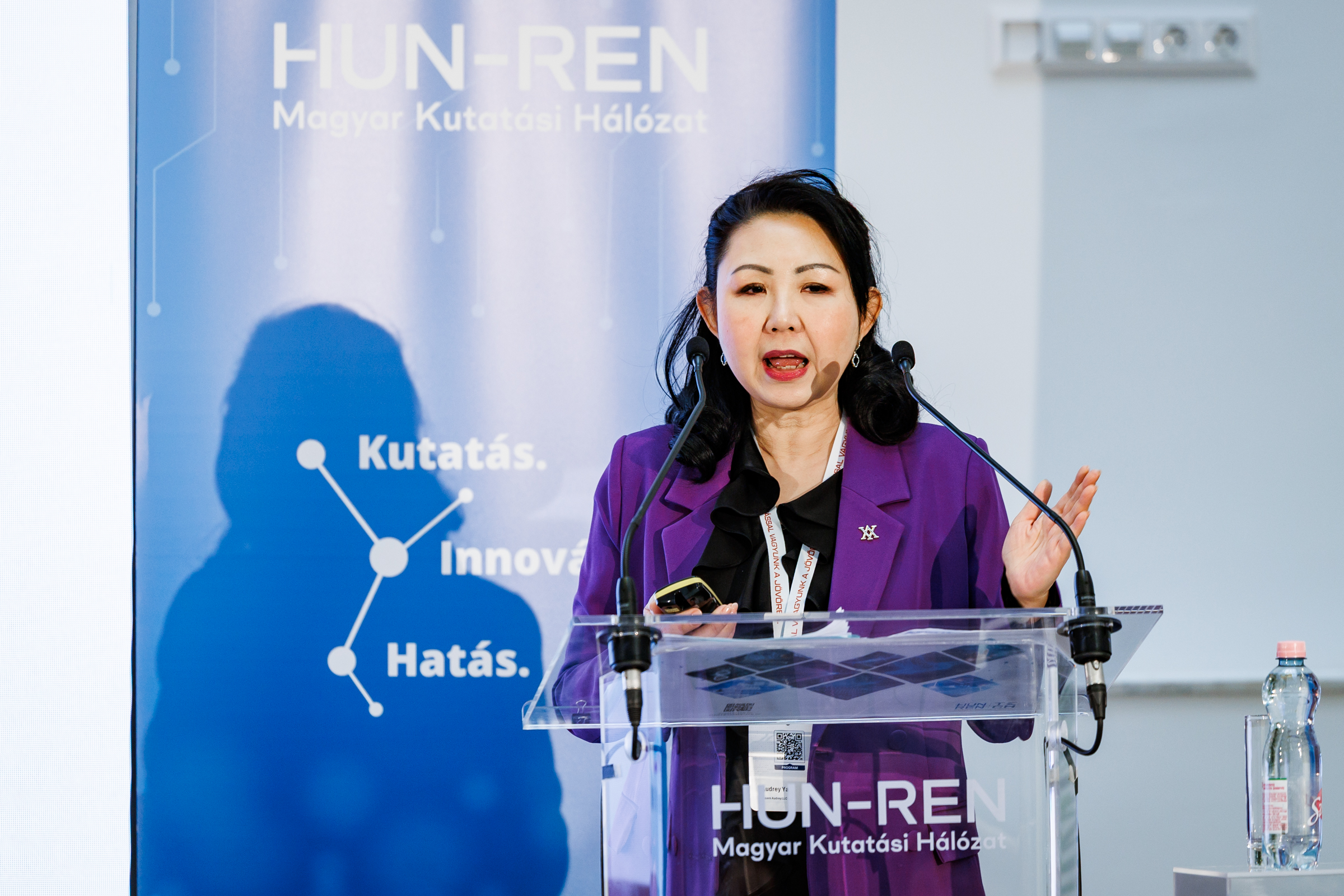
International keynote speaker Audrey Yap, lawyer, legal counsel, certified patent valuation analyst, and intellectual property expert at Yusarn Audrey LLC, pointed out that in the global economy, technology, intellectual property, and financing are becoming increasingly interconnected. One of the key messages of her presentation was that it is not enough to protect research results—they must be consciously developed and managed as business-relevant assets.
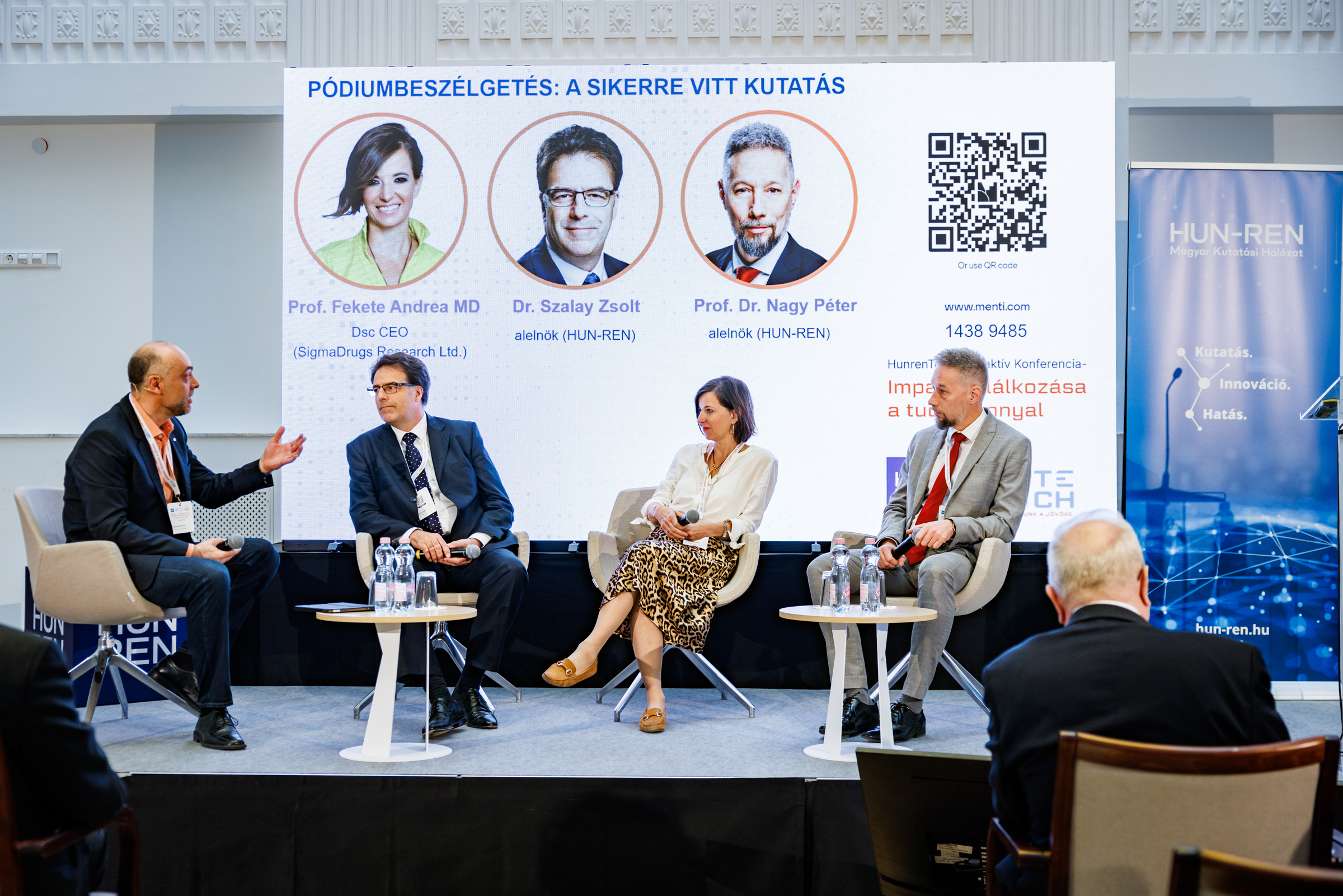
In the panel discussion titled “Research Brought to Success,” Andrea Fekete, CEO of SigmaDrugs Research Ltd., along with Zsolt Szalay and Péter Nagy, Vice-Presidents of HUN-REN, shared their experiences regarding the conditions necessary for the economic and societal utilization of scientific results. Participants agreed that the transition from research to innovation is not automatic; it requires a shift in mindset, institutional support, and stronger connections between researchers and the market.
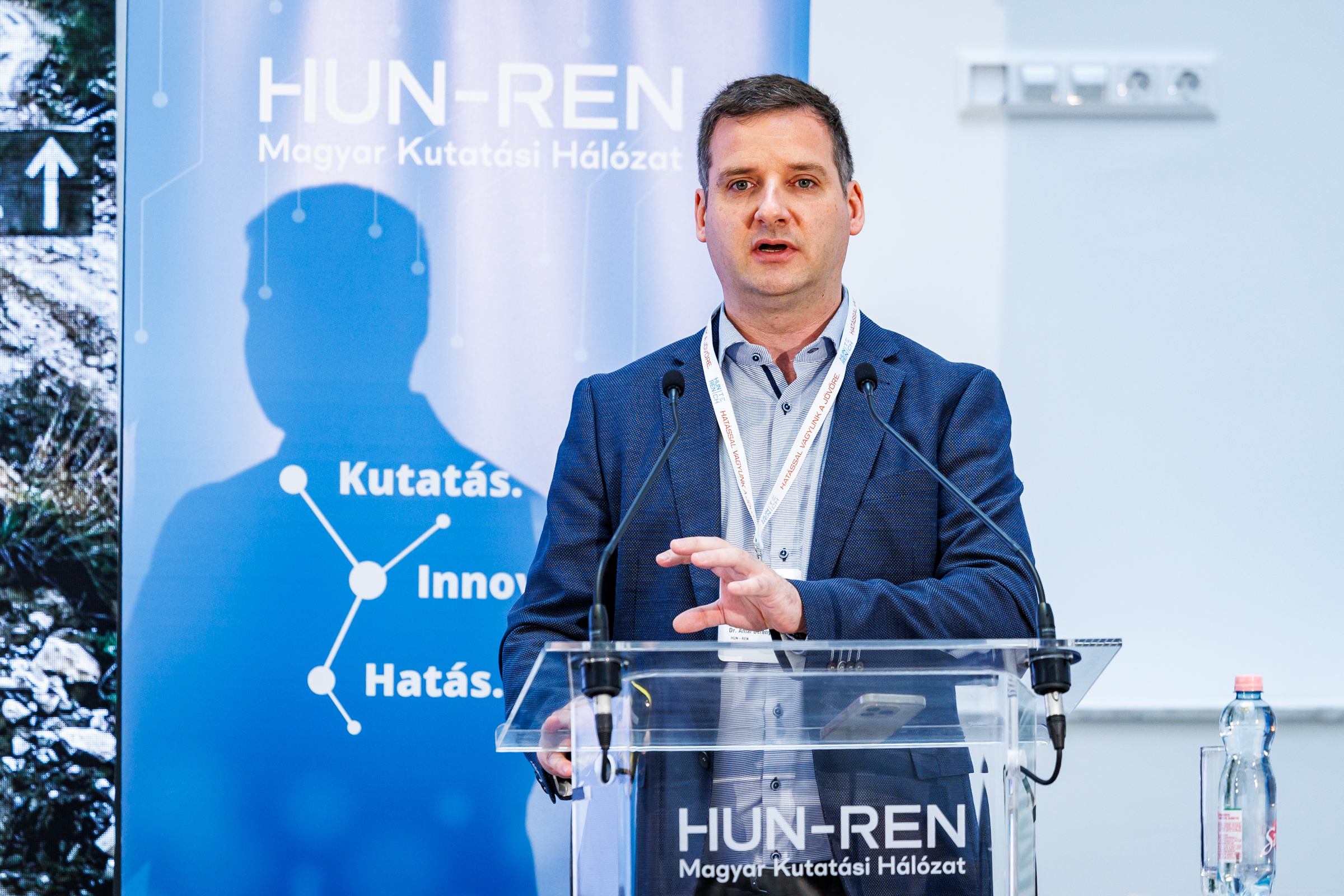
One of the conference’s highlighted case studies was presented by Antal Berényi, Head of Department at the University of Szeged and founder of Neunos Zrt. Drawing on his entrepreneurial and research experience, he demonstrated how a fundamental research result can become a globally successful, marketable innovation. He emphasized that early and conscious protection of intellectual property, along with the establishment of appropriate financing structures, is essential for successful market entry.
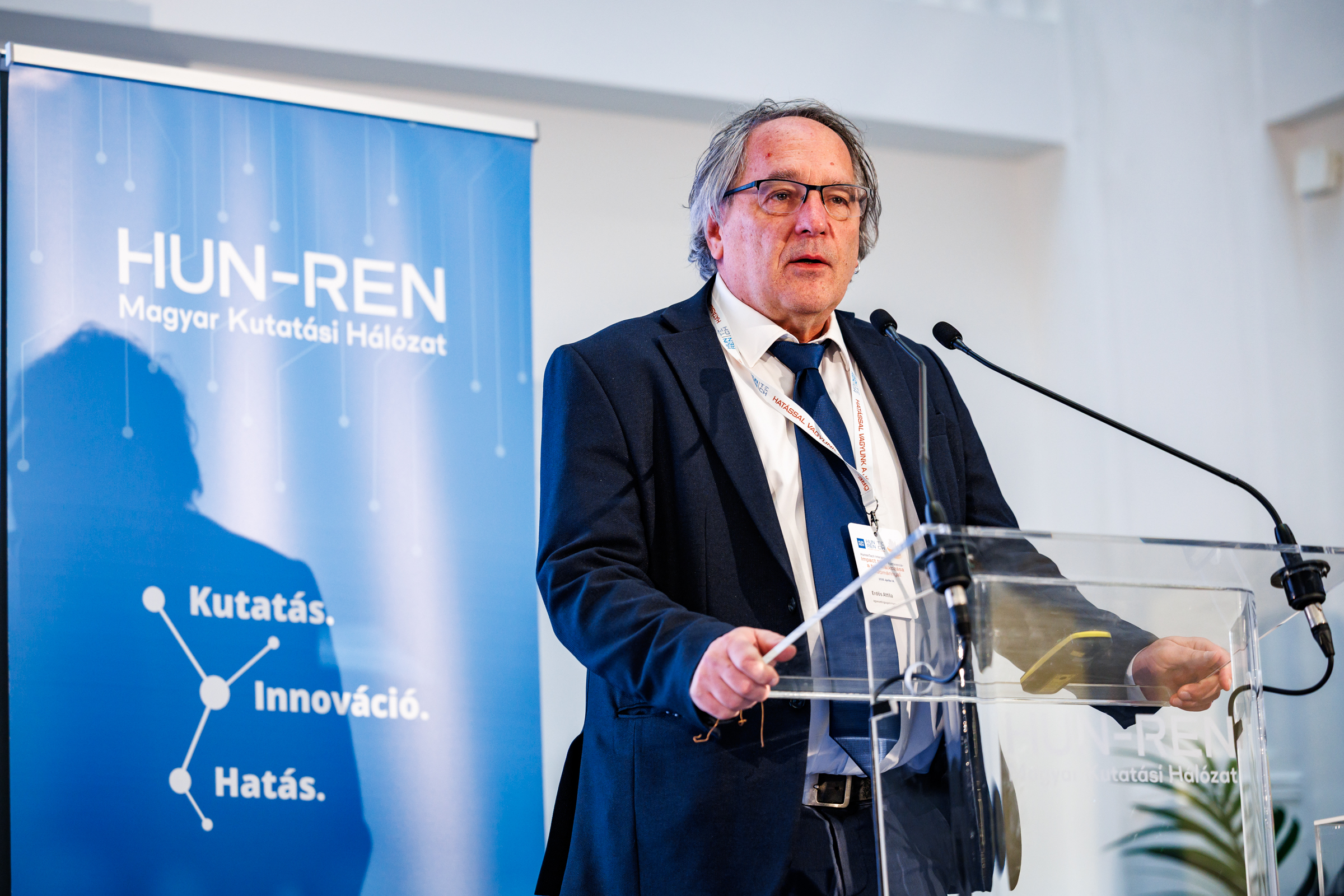
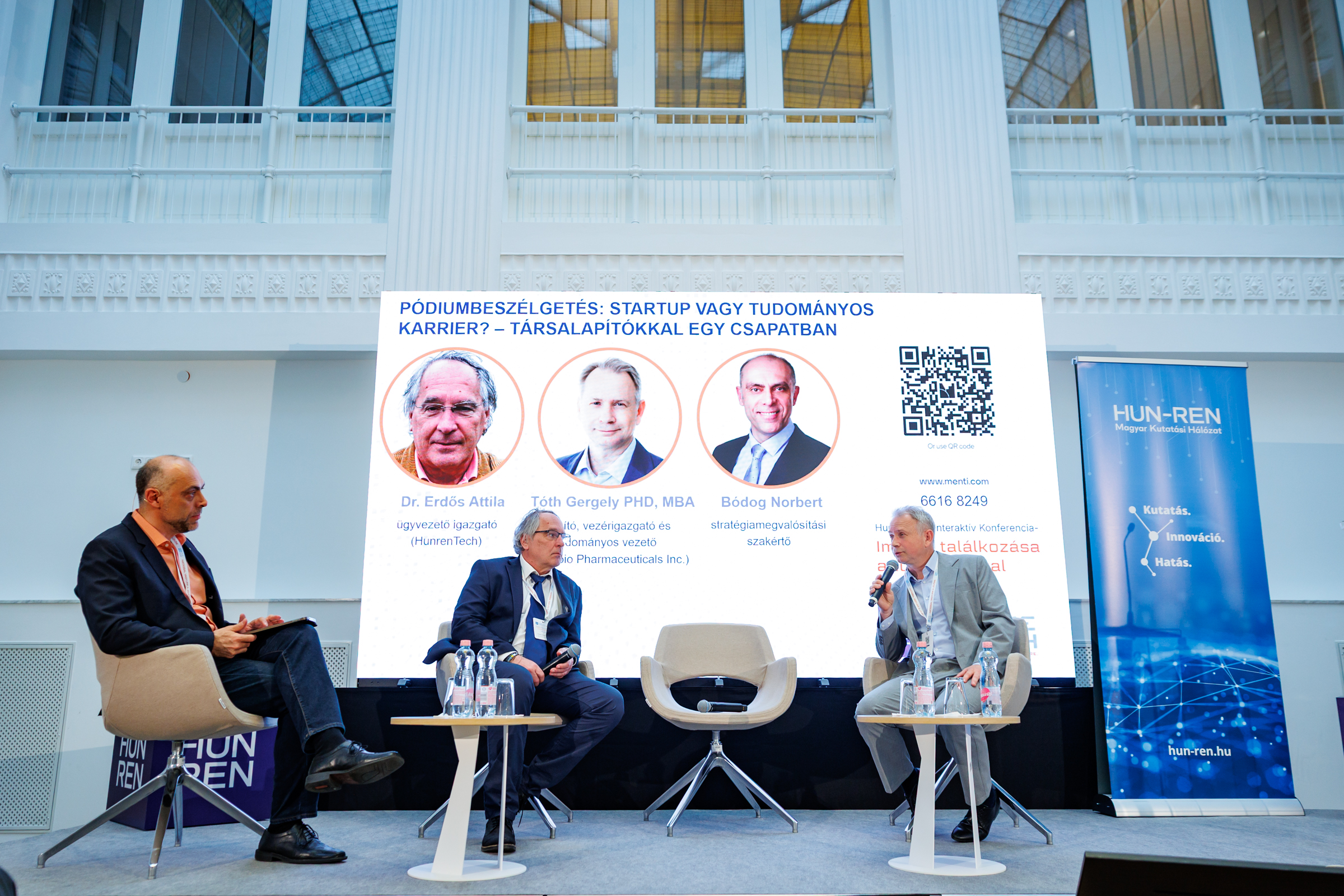
The panel discussion “Startup or Scientific Career?” was introduced by Gergely Tóth, founder, CEO, and Chief Scientific Officer of Cantabio Pharmaceuticals Inc. The discussion featured Attila Erdős, Managing Director of HunrenTech, Gergely Tóth, and Norbert Bódog, expert in strategy implementation. The panellists emphasized that scientific and entrepreneurial careers are not mutually exclusive paths; success depends on the right team, financing, business mindset, and an international market perspective.
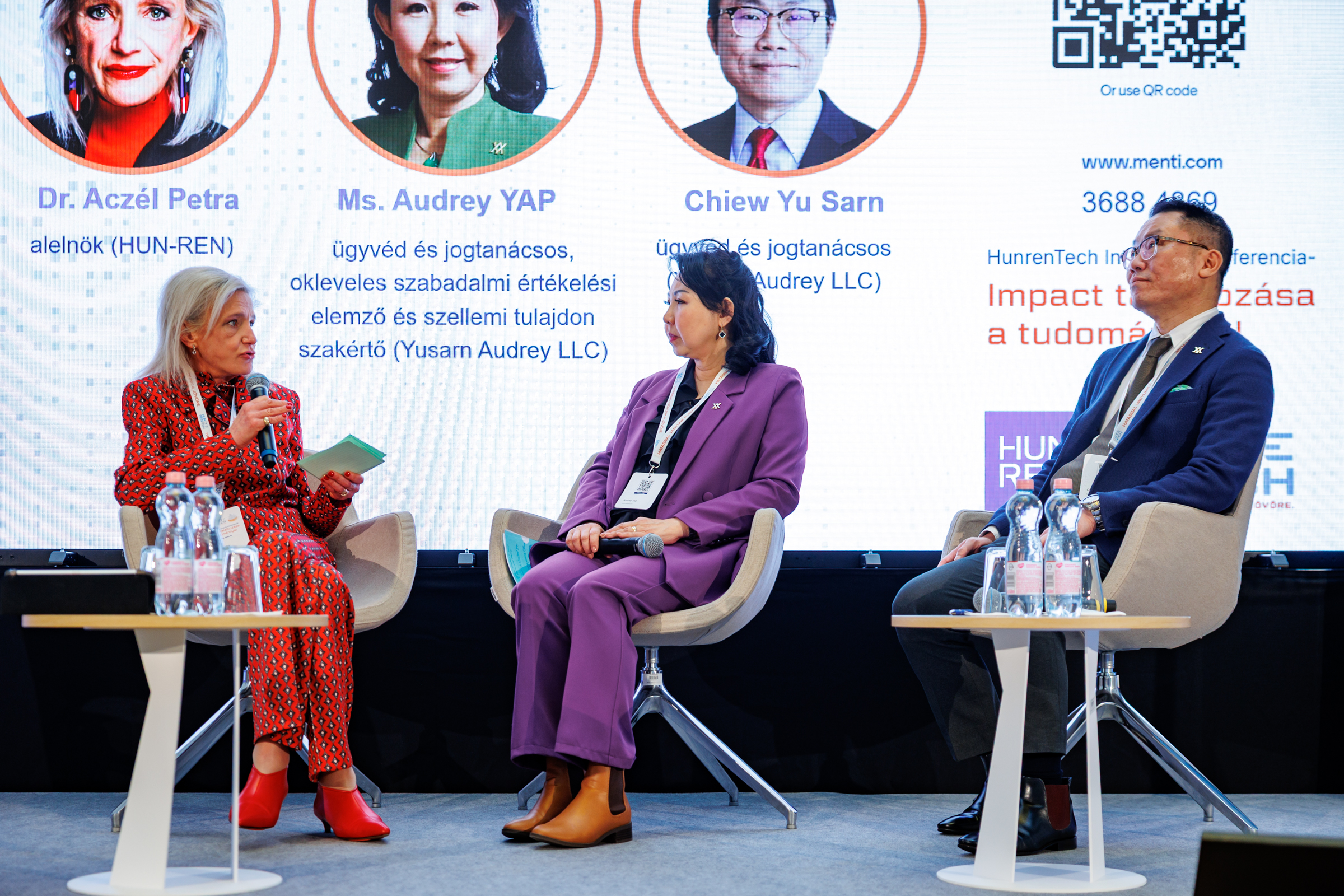
In the panel titled “The Economic and Social Utilization of Research,” Petra Aczél, Vice-President of HUN-REN, along with Audrey Yap and Chiew Yu Sarn, legal and intellectual property experts from Yusarn Audrey LLC, discussed how scientific results can be aligned with market and societal needs. Participants highlighted that the real impact of innovation is achieved only when research outcomes can be interpreted in multiple “languages”: scientific, business, and societal.
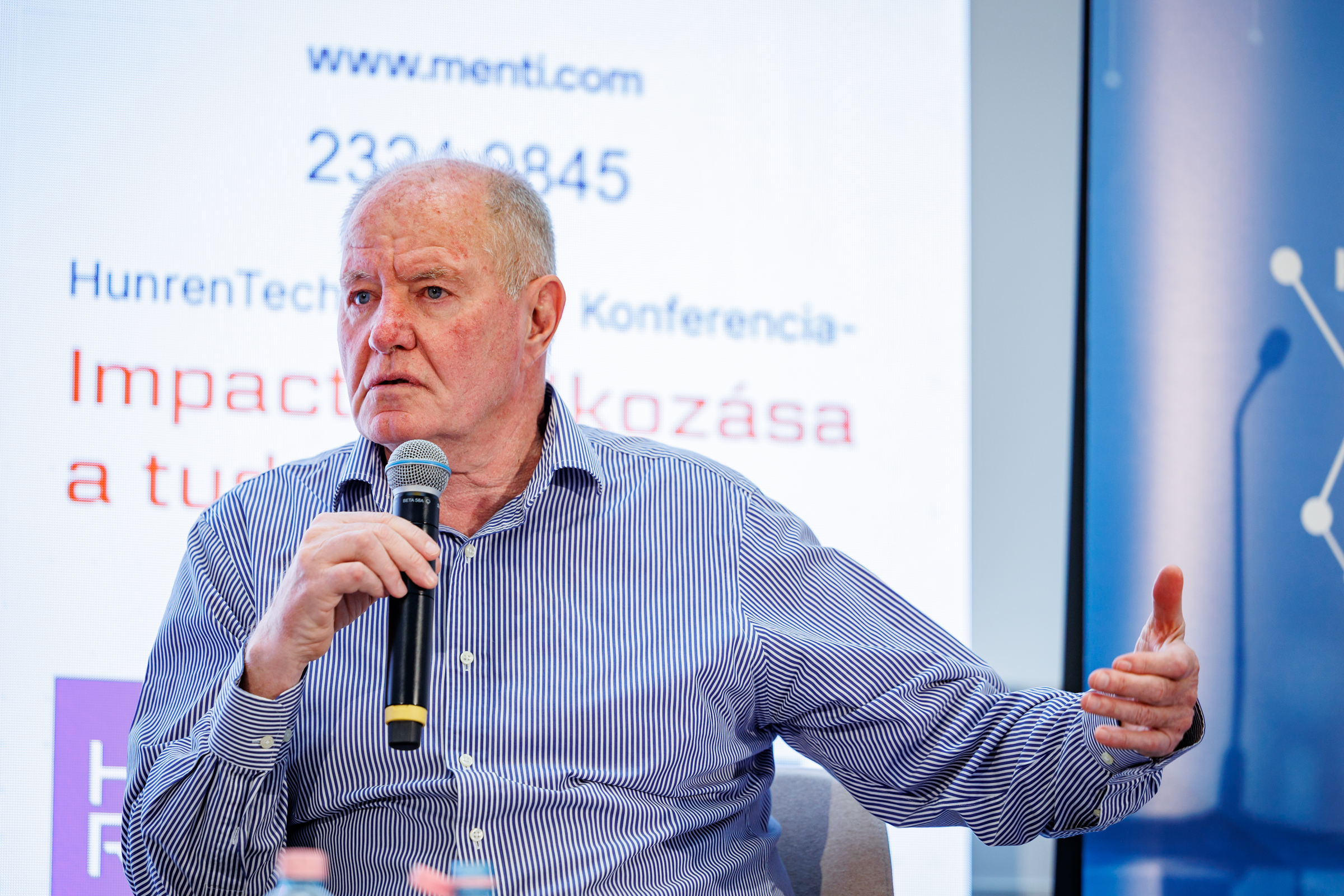
In the discussion “Competitive Collaboration,” Dénes Kemény, legendary head coach of the Hungarian national water polo team, and Attila Erdős explored issues of teamwork, leadership, and performance optimization. A key message of the panel was that outstanding performance is not based solely on individual excellence, but on ensuring that every team member feels valued and can collaborate within a trust-based environment.
In closing, Balázs Gulyás, Roland Jakab, and Attila Erdős summarized the key takeaways of the day. They emphasized that in the coming period, innovation management will be further strengthened, frameworks related to intellectual property and spin-off companies will be renewed, and services supporting researchers will be expanded.
In the future, HunrenTech will continue to support researchers through additional training programs, industry and investor matchmaking events, and tailored support schemes to ensure that a greater proportion of HUN-REN research results become marketable and socially beneficial innovations.
In this spirit, HUN-REN is launching several new initiatives, including the renewal of the innovation manager network and the development of regulatory frameworks related to intellectual property and spin-off companies.
Future plans also include establishing AI-based service capacities to support the realization of ideas, as well as creating a dedicated grant-writing team to provide personalized assistance to researchers. In addition, training and development programs will be launched to strengthen the connection between scientific value creation and innovation processes.
HUN-REN Communications



'%3e%3cg%20transform='translate(360.645%203210.941)'%3e%3cpath%20d='M0,9.915l2.339,2.479L9.355,4.958l7.016,7.437,2.339-2.479L9.355,0Z'%20transform='translate(0%200)'%20fill='%23fff'/%3e%3c/g%3e%3cg%20transform='translate(360.645%203220.663)'%3e%3cpath%20d='M0,9.915l2.339,2.479L9.355,4.958l7.016,7.437,2.339-2.479L9.355,0Z'%20transform='translate(0%200)'%20fill='%23fff'/%3e%3c/g%3e%3c/g%3e%3c/svg%3e)